Ohio State faculty extend learning far beyond campus
With the nation’s top Fulbright total, 25 Buckeye professors since 2024 reflect a culture that encourages impact globally.
For the past two years, Ohio State has produced more U.S. Fulbright scholars than any other university in the country.
“That designation isn’t just another line on a list of honors,” says Julie Taylor, senior director of academic relations for Fulbright, which supports international study, research and teaching. “It tells the world that Ohio State is a place where people are encouraged to reach further and make an impact far beyond campus.”
This map showcases that global reach, highlighting a wide-ranging sampling of the 25 Buckeye faculty members who have received this prestigious award since 2024.
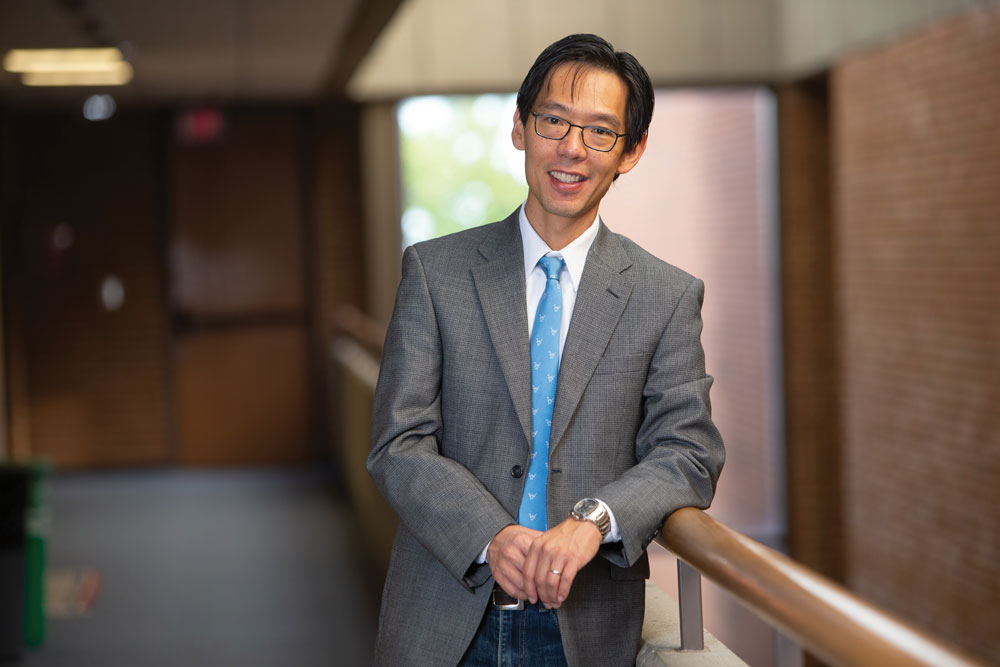
Felix Chang
Professor, Moritz College of Law
Chang’s Fulbright is part of a project looking at the competition between Singapore and Hong Kong to manage private Chinese wealth. With funding for two years, he is immersed in studying the laws and institutions that make Singapore a wealth hub.
“Private wealth is wealth held by private entities (such as corporations, trusts and individuals), as opposed to by the state. In our era of runaway inequality, private wealth has become critical to international financial centers like Singapore and Hong Kong. Fulbright is supporting my longitudinal study of trends in Singapore’s trust and corporate laws over a two-year period to observe their interplay with wealth influxes from China, as well as their effects on China’s currency. I had the pleasure of starting last fall in Singapore, working with my collaborators at Singapore Management University and National University of Singapore. “Being able to spend several months on the ground doing research was a joy. Every day brought new discoveries. I particularly enjoyed learning about how law schools are organized in Singapore—compared to the U.S., legal education is much more regulated, which reduces the level of competition among law schools. On a personal level, spending time in Singapore was meaningful because I was born in Taiwan, which bears some cultural and economic similarities with Singapore. But Singapore is incredibly unique. Sitting at the crossroads of Southeast Asia, the city-state’s heritage is a blend of Chinese, Indian, Malay, Peranakan, British and Portuguese. Neighboring Indonesia and Malaysia exert outsized influence. As a result, Singapore’s culture is distinct, and its food is just wonderful!” |
x
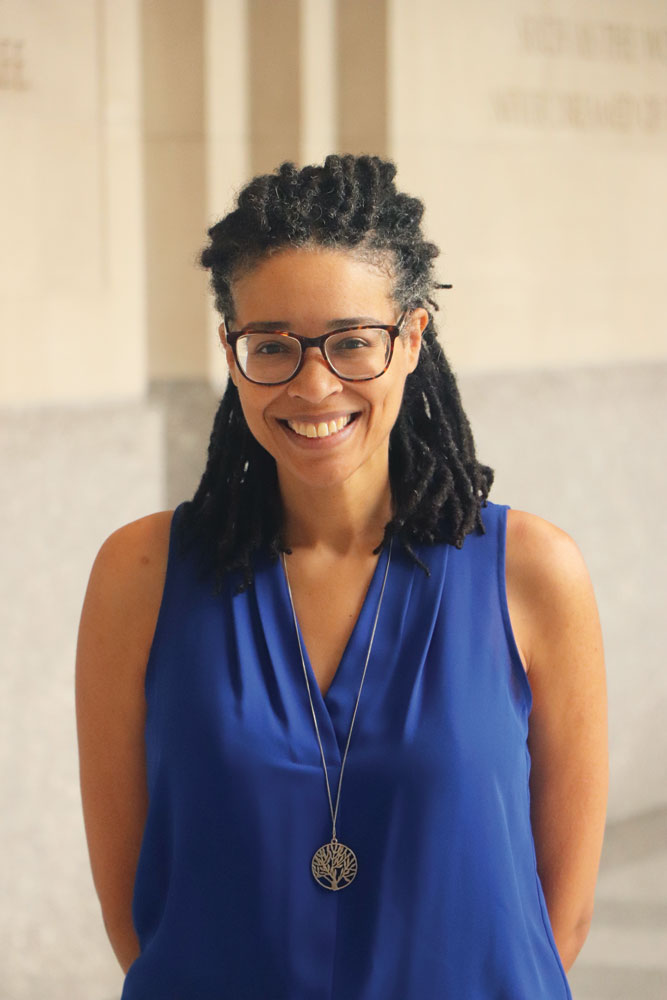
Jennifer Eaglin
Associate Professor, Department of History
Eaglin is spending four months in Brazil to research the country’s development of nuclear power and uranium mining. Her destinations: government archives, libraries and nuclear energy plants. She’s also building stronger ties with Federal University of Pará.
“The Fulbright program has deeply affected my professional and personal trajectory. I have been lucky enough to embark on two Fulbright fellowships to Brazil. I completed my first during my graduate studies in 2012-2013. My research on the history of ethanol development became the foundation of my dissertation and, after joining Ohio State as an assistant professor in 2016, my book, Sweet Fuel: A Political and Environmental History of Brazilian Ethanol. “Now, as an associate professor, I have begun my second Fulbright as a 2025-2026 distinguished fellow with new professional aspirations. Primarily, I am advancing research for my next book project on Brazilian nuclear energy development. At the same time, I am using the Fulbright program to create opportunities that will shape the trajectory of my students as they go on into the world. As co-founder and co-director of the Environmental History Initiative, I have already returned with Ohio State students to participate in the COP30 international climate conference in November 2025 as part of our new course, The Politics of Climate Change. Now, I am using the network and connections afforded by the Fulbright to develop a study abroad program to the Amazon to teach students about the history of the region, environment and conservation of the rainforest. “The Fulbright’s impact on my development as a person and an international citizen has been just as impactful. Through the two fellowships, I have built rich friendships with other scholars—both American and Brazilian. The Fulbright has allowed me to experience the world as a special guest, warmly welcomed and happy to learn. I am forever thankful.” |
x
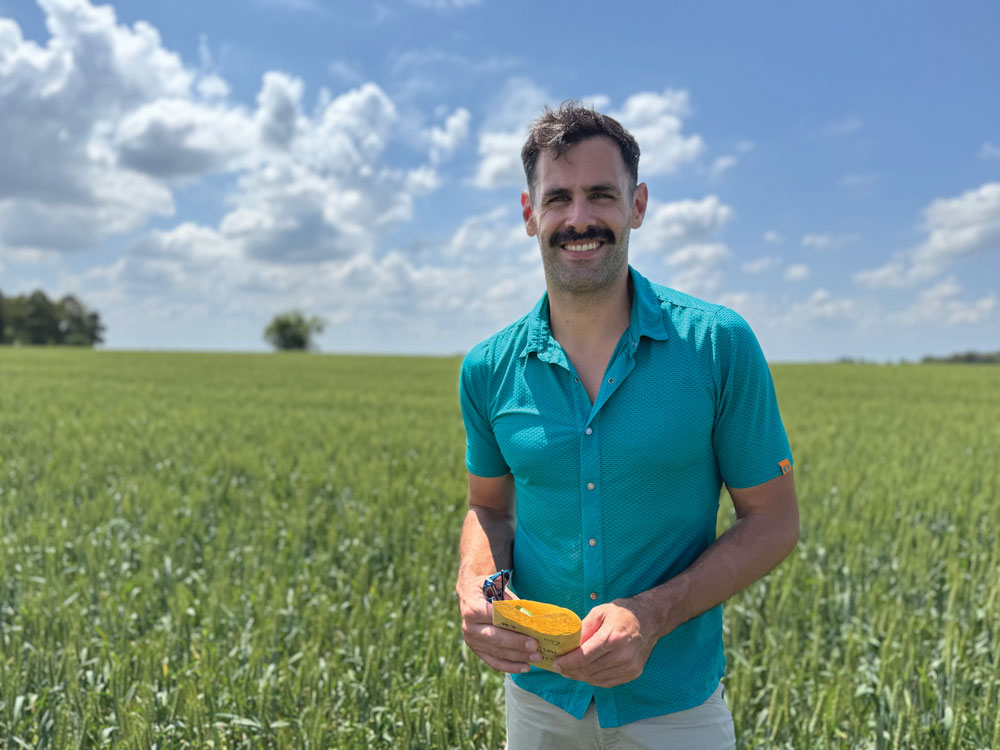
Jonathan M. Jacobs
Associate Professor, Department of Plant Pathology
Jacobs spent time at two universities in Uruguay investigating a pathogen attacking wheat, Xanthomonas prunicola. He analyzed the cereal crop’s DNA to find resistance, worked on diagnostic tools and, as a fluent Spanish speaker, trained farmers and students.
x
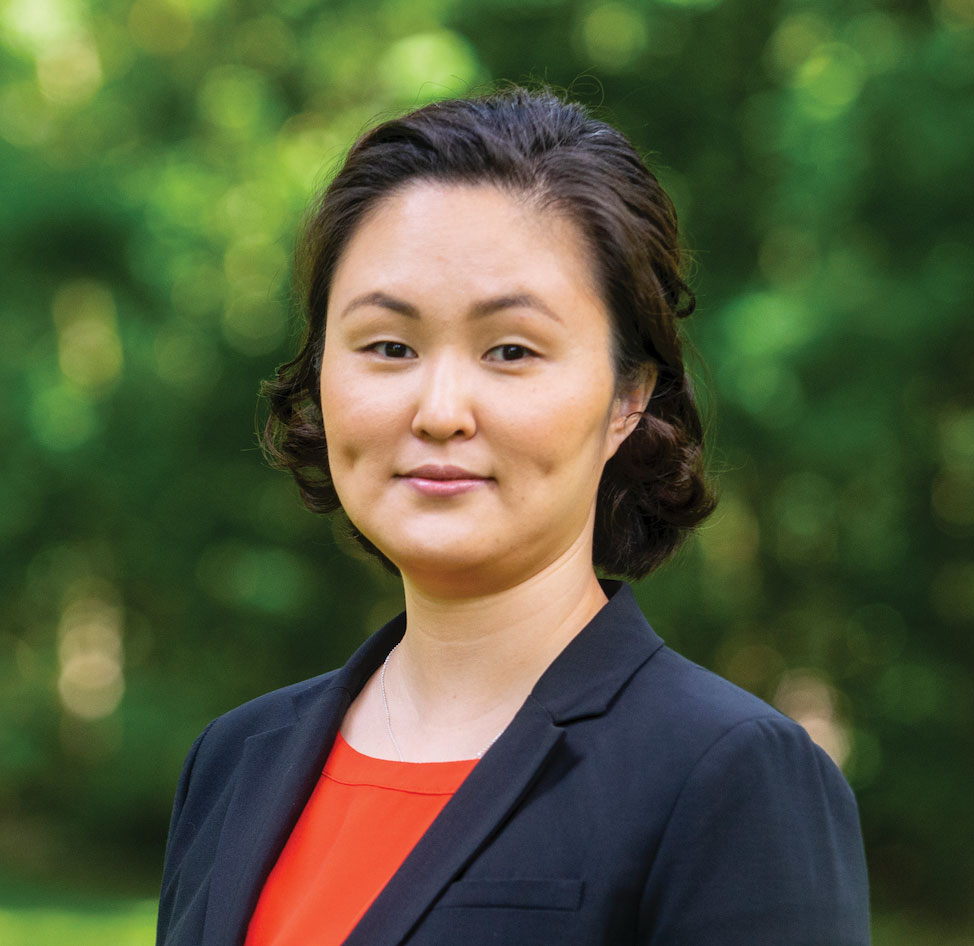
Sophia Jeong
Associate Professor, Department of Teaching and Learning
Based at Boğaziçi University in Istanbul, Turkey, Jeong collaborated with local K–12 teachers and college professors to build a community and improve science education. Using the children’s daily lives to inspire lessons was central to that, as was AI.
x
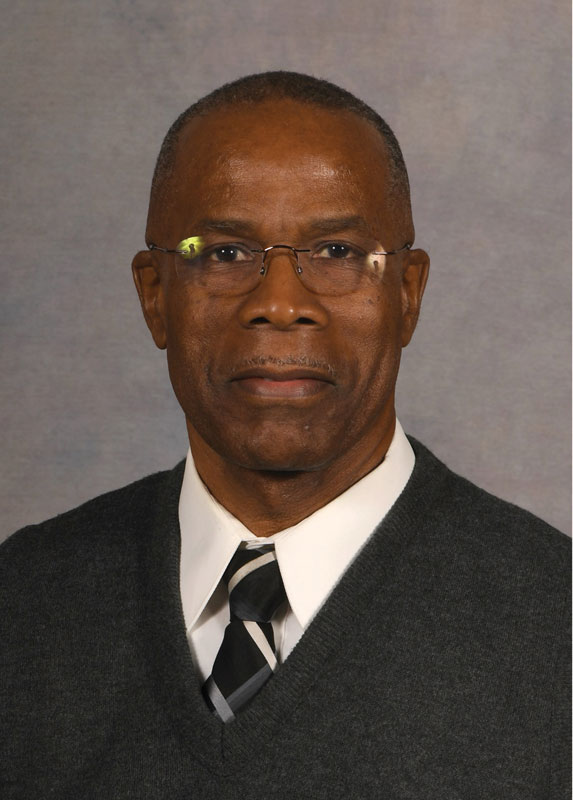
Melvin Pascall
Professor, Department of Food Science and Technology
The arrival of mega-blankets of sargassum seaweed has plagued the tourism, recreation and fishing industries across the Caribbean. Pascall is in Kingston, Jamaica, running experiments to turn the mega-nuisance into plastic films for use in packaging.
x
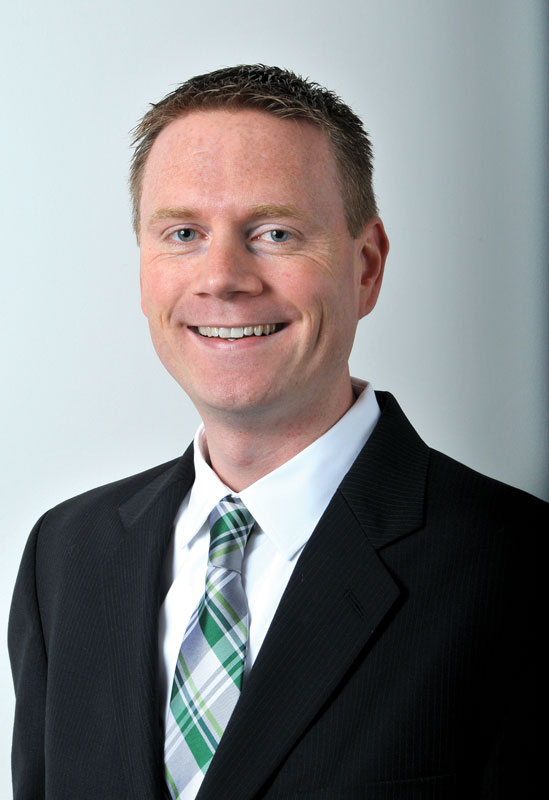
Paul Reiter ’08 PhD
Professor, College of Public Health
Based at Queen Mary University of London through next month, Reiter and a colleague there are studying multicancer early-detection testing, what doctors understand about it, and their thoughts on using this testing for patients in the future.
x
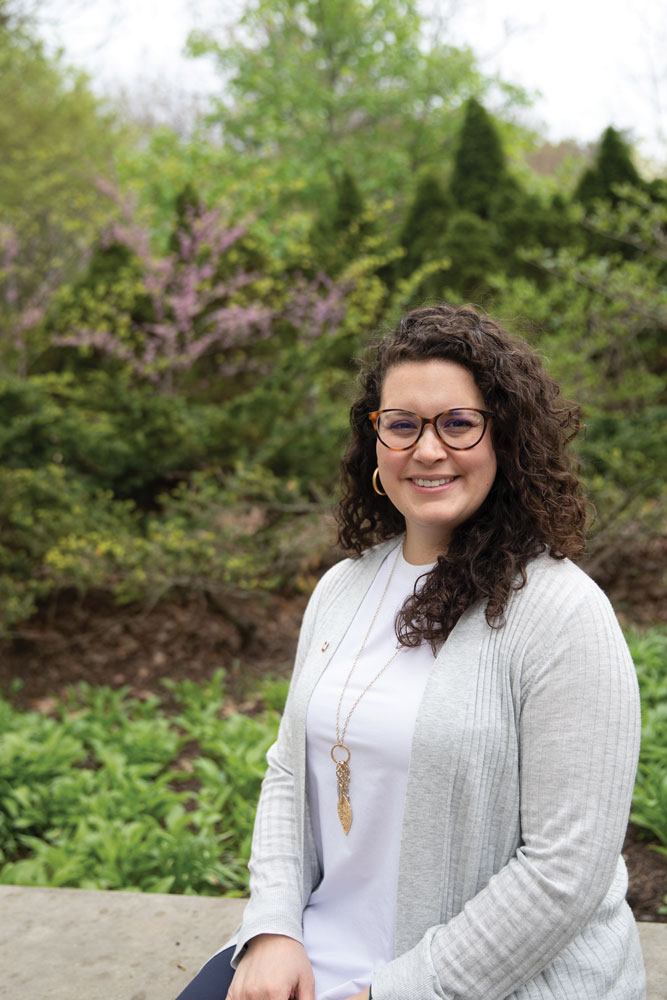
Mary Rodriguez
Associate Professor, Department of Agricultural Communication, Education, and Leadership
Rodriguez researched how families in Alberta, Canada, build food resilience and how they can strengthen those skills, especially in a time when food supplies can be unpredictable. She also helped the community design meaningful support initiatives.
x
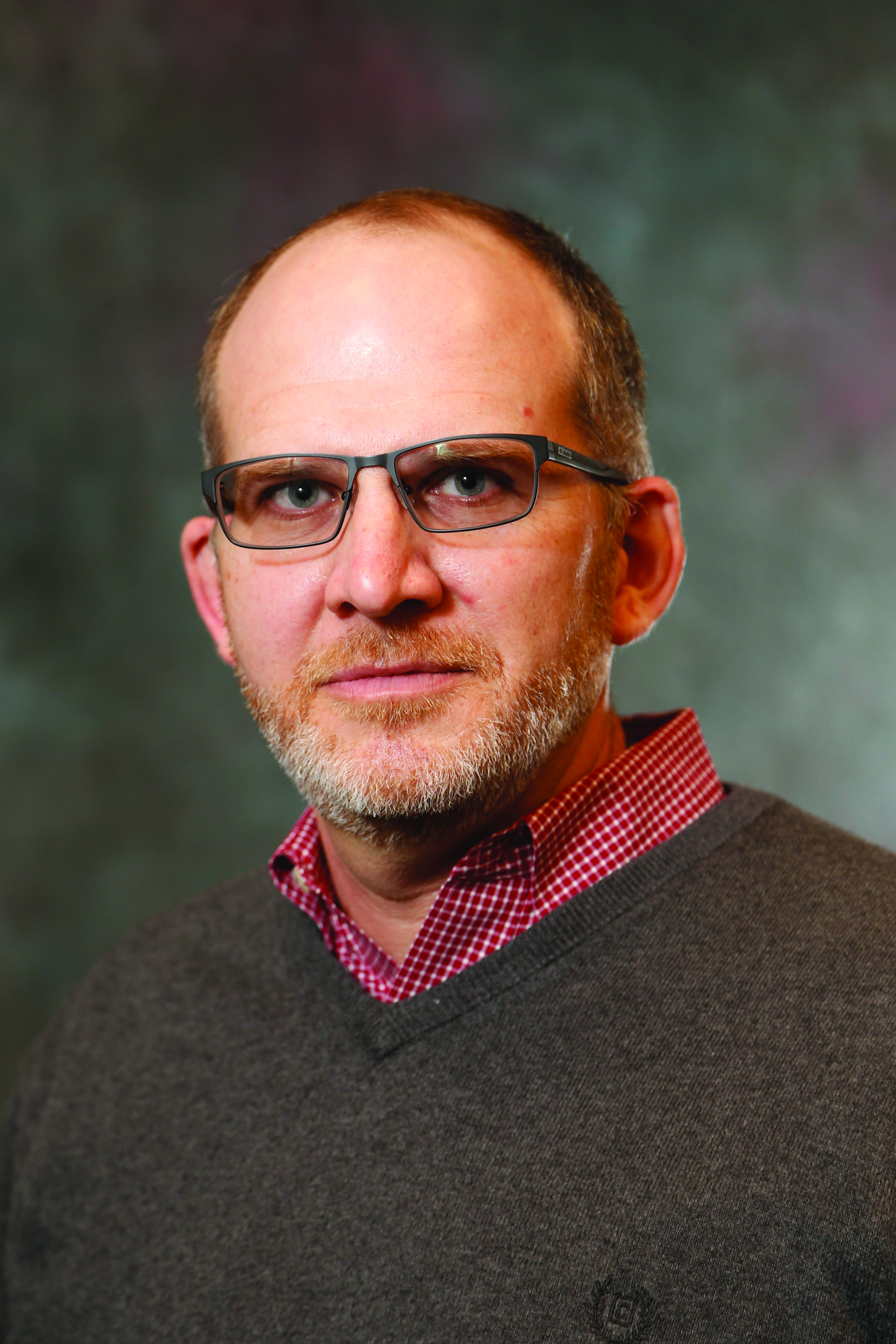
Zac Schultz ’00
Professor, Department of Chemistry and Biochemistry
Catalysts are key to more sustainable production of ammonia and other compounds. In Santiago, Chile, Schultz researched the chemistry that makes that possible and taught how Raman spectroscopy provides new insight at Pontificia Universidad Católica de Chile.
x
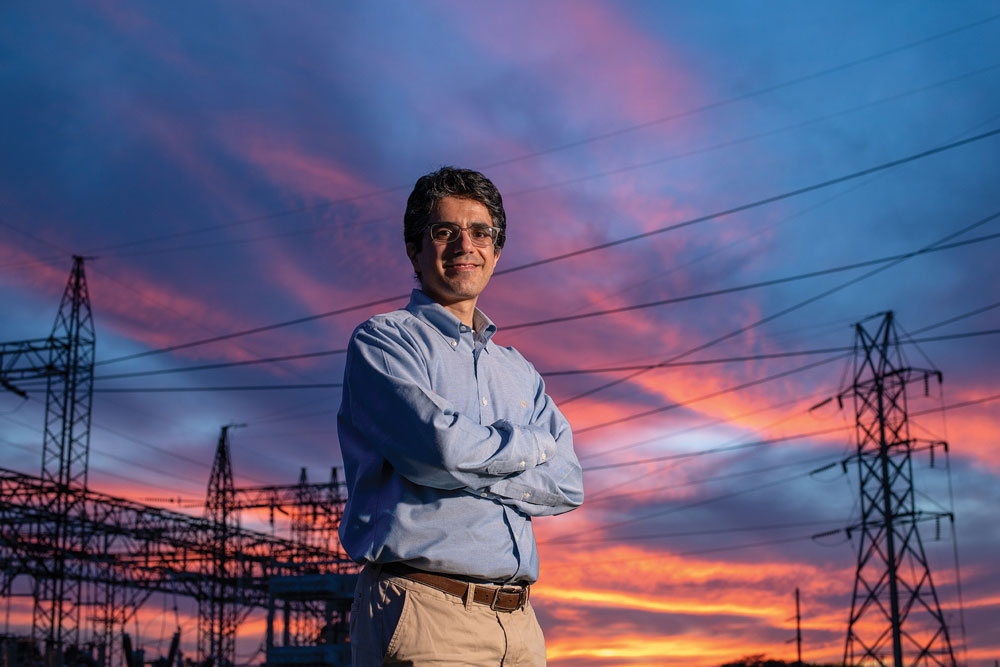
Abdollah Shafieezadeh
Professor, Department of Civil, Environmental and Geodetic Engineering
When natural disasters threaten, a host of uncertainties can complicate how scientists and engineers help communities—and critical infrastructure—prepare. In Seoul, South Korea, Shafieezadeh studied how a method called Value of Information can strengthen decision-making.
x
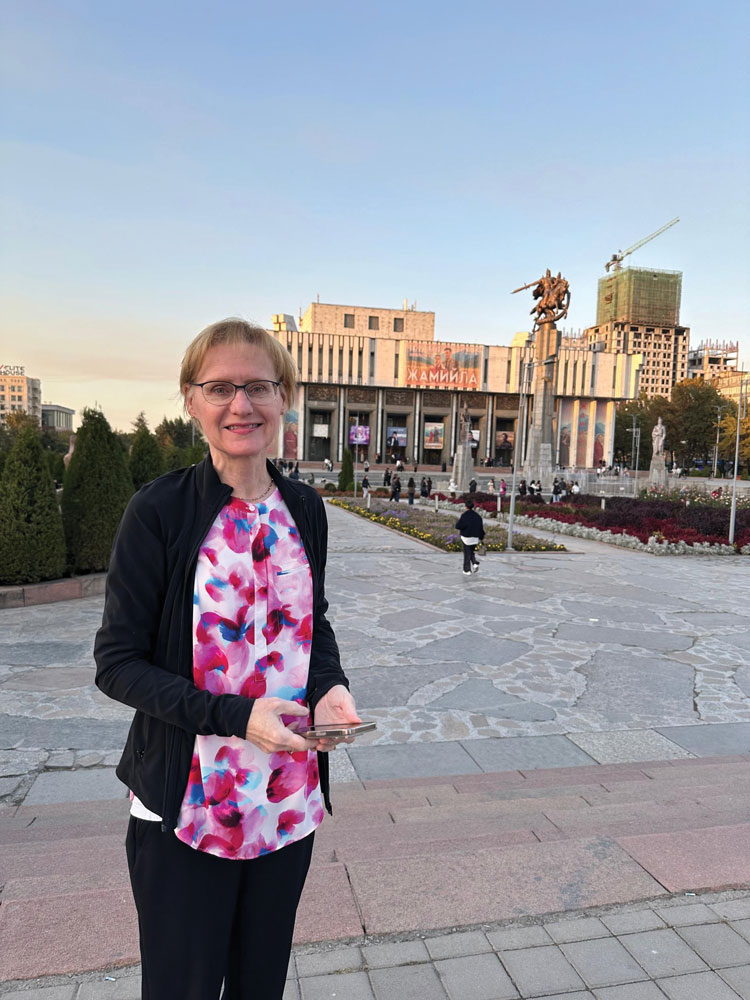
Joni Tornwall ’19 PhD
Clinical Professor, College of Nursing
Tornwall went to Bishkek, Kyrgyzstan, to help a state medical university train “skilled nurses who are resilient, competent and confident.” She steered the curriculum and taught students and educators. The two-time Fulbright alumna also traveled to Finland in 2023.
“When Ohio State supported my U.S. Fulbright Scholar application, I imagined contributing something meaningful to nursing education in Kyrgyzstan. What I didn’t anticipate was how much the experience would give back to me. “At the Kyrgyz State Medical Academy in Bishkek, I taught academic writing and professional concepts in nursing to undergraduate nursing students, developed a new evidence-based nursing practice elective and delivered a series of professional development events that reached 175 faculty members across multiple disciplines. I also launched a research project on the future of nursing education in Kyrgyzstan, and I was genuinely inspired by the response. Healthcare professionals from across the Kyrgyz Republic participated, which told me that the questions we were asking mattered deeply to the people who invest their lives daily in the nursing profession. “To be honest, I struggled early in my Fulbright experience. I arrived in Bishkek with protocols, timelines and systems, and the Kyrgyz people don’t always operate on those terms. Kyrgyz life and work have their own rhythm, one that is slower and less predictable but also rich with human connection. I found myself needing to let go of my expectations and embrace unanticipated events as opportunities to strengthen my capacity for flexibility. In doing that, I became a better teacher. Adapting to technological constraints, working through interpreters, and using reflexive thinking in ways I had never had to before sharpened my ability to connect with students and faculty across different social norms and cultural backgrounds. “I spoke to nursing students about who they are becoming: healers who see patients as whole people, and agents of change in a healthcare system that needs them. I hope my words stay with these future nurses and inspire them to deliver compassionate, evidence-based nursing care. My nurse-educator colleagues at KSMA are already using our research as the foundation for a lasting record of nursing education scholarship. That kind of sustained momentum is the outcome I sought in our partnership. I’m grateful to Ohio State for making it possible.” |