These drone-builders are reshaping emergency rescue
Built by Buckeyes, the autonomous craft grew from a global challenge into a lab-based testbed for medical delivery research.
In healthcare, a few minutes’ wait can mean the difference between life and death for a person in need. As a result, life-saving autonomous technologies like medical drones, which deliver critical supplies such as blood, vaccines, organs or other vital medicines to areas lacking resources or personnel, offer reliable solutions to emergency rescue situations.
“I’ve been around first responders pretty much all my life, and have known what struggles they face when it comes to providing aid quickly,” says Carson Nietert ’26. “So this project jumped out to me as a good use of my education thus far to build something that could help people.”
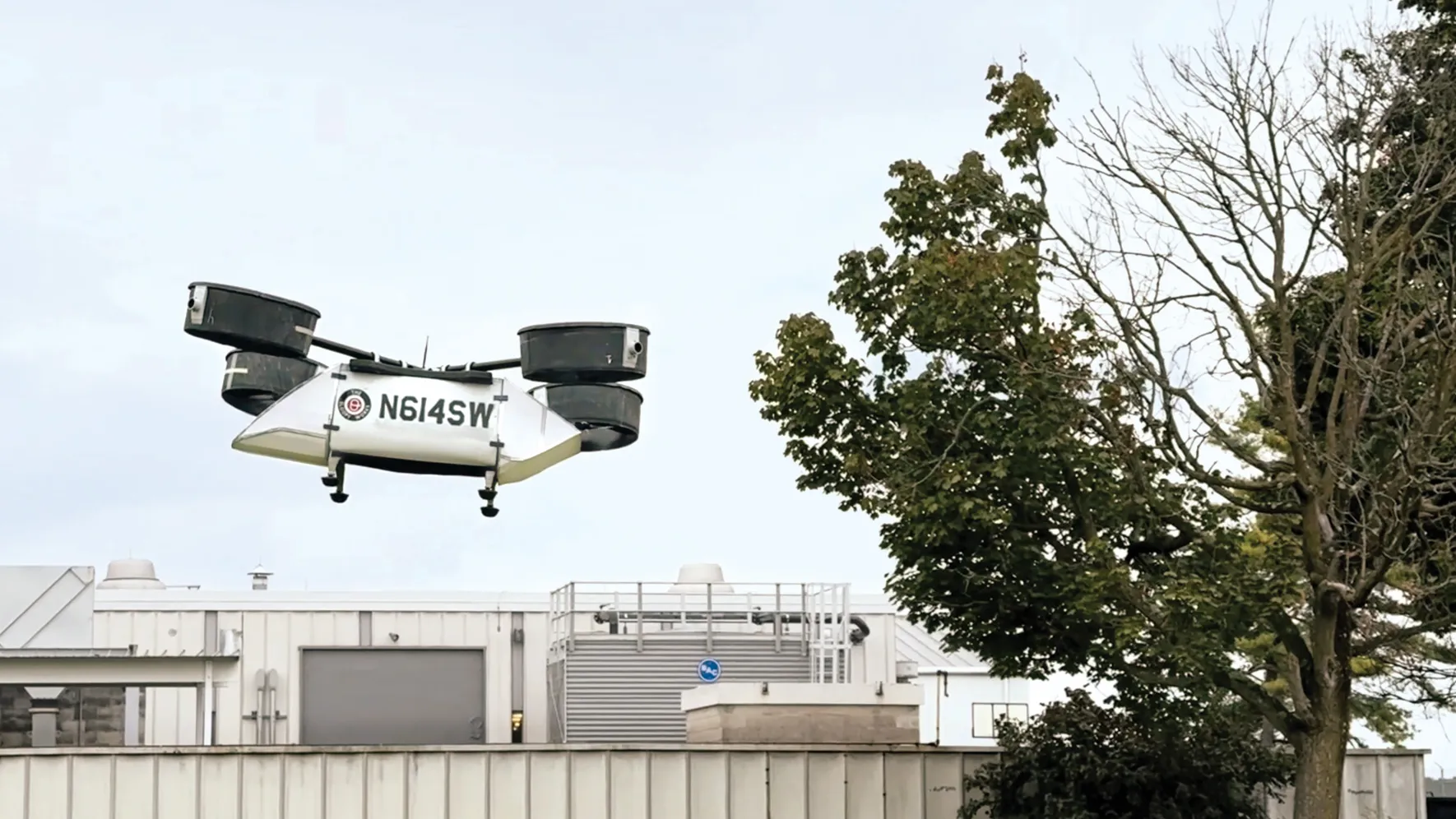
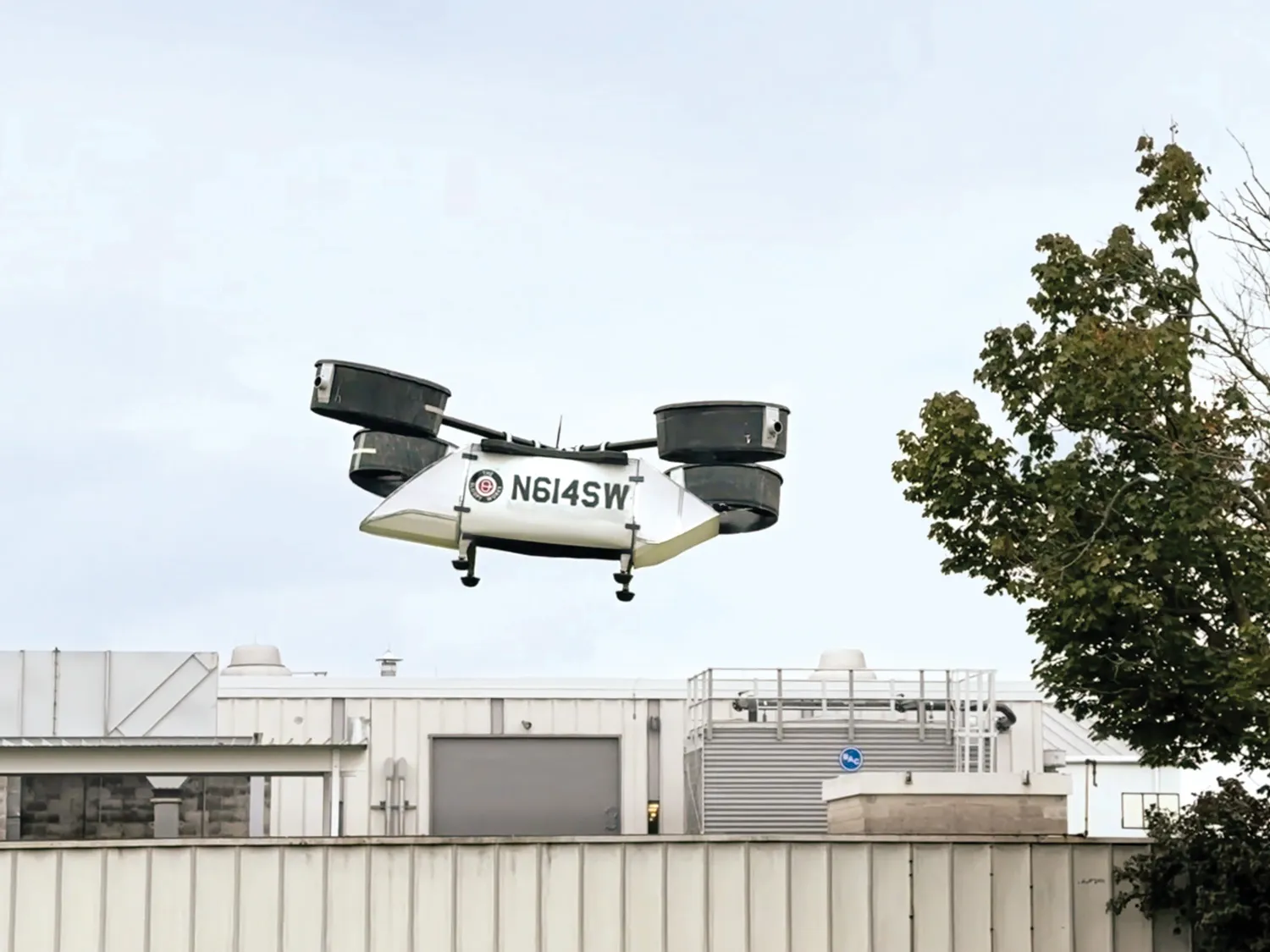
The project, led by a student group called The Sloopy Works, was building STUART, or the Small Transportable Uncrewed Aerial Rescue Technology flight vehicle. The heaviest drone ever built in the university’s history to both successfully take off vertically and fly on its own, it was originally designed as an entry for a three-year international competition aimed at creating new medical aircraft.
Now, the flyer resides in the lab of Matthew McCrink ’15 PhD, a research scientist in mechanical and aerospace engineering who has spent his career trying to redefine what drones mean to the civilian population.
Here are three aspects of the team’s mission that set their project apart from other high-flying technologies:
Creative construction
While most aircraft take years to complete, the student team accomplished the feat in a few short months. Thinking outside the box began their design process. Nietert says they studied how different drone constructions could best serve potential patients. Then they playtested configurations and materials to make an easily deployable drone capable of ferrying small payloads to safety. Their plan won concept-building funds from NASA. “Having to think about the nuances and the intentionality behind the systems was very interesting,” Nietert says.
Collaborative communication
While the nuts and bolts mechanics of building a 120-pound, 8-foot prototype are a big enough challenge, many times team dynamics is the most integral factor to get a drone off the ground and successfully flying. “This project was really meant to provide students with exposure and experience that are hard to get outside of spending many years in the industry doing these types of things,” McCrink says. “That’s exactly what this opportunity provided for them, and I can’t think of a better way to teach it.”
Sweet success
Flight is the ultimate test for any engineered system, and STUART exceeded expectations during its confirmation journey. Driven by eight propellers enclosed to protect people and components, the autonomous vehicle reached the 100-foot marker while flying at 23 feet above ground and an average speed of 3.4 feet per second. “There’s a really large degree of artistry that intersects with aerospace engineering that makes research like this unique,” McCrink says. “It demands an enormous amount of perfection in your processes.”