Osiefield Anderson lifted generations through education
A sharecropper’s son turned professor, this alumnus taught math and resilience, inspiring students and future STEM leaders.
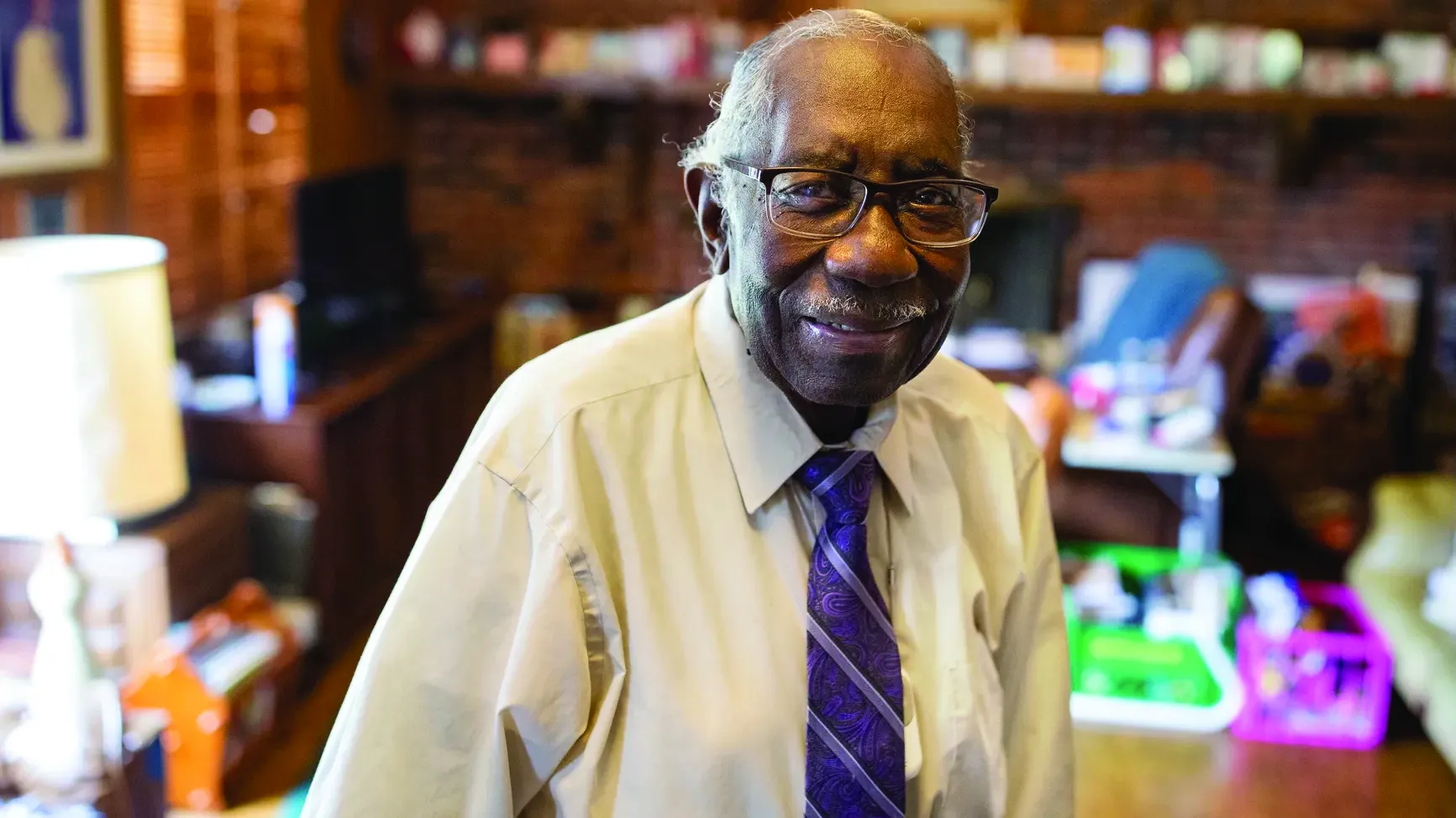
Osiefield Anderson led a busy life of teaching and family (he and his wife, Vestella, raised nieces and nephews and put them through college), yet still wrote 34 academic and inspirational books. They include Precious Jewels of Life and You Can Have What You Want and Here’s How to Get It! (Photo courtesy of Gregory Anderson)
As a child, Osiefield Anderson ’70 PhD rose at dawn to till the land where his family sharecropped, then headed to a one-room schoolhouse in Pineview, Georgia. For high school, he paid the postman 50 cents a week to squeeze beside the mail bags and hitch a ride to the only high school in the area.
His passion for education led him to Ohio State for an advanced degree and then a college teaching career that spanned 50 years. Anderson, an Army veteran, died Aug. 10 at age 97 in Tallahassee, Florida, where he taught mathematics at Florida A&M University while schooling generations of students in life lessons, says his son, Gregory Anderson, a Los Angeles screenwriter.
“His former students posted tributes online, saying, ‘I learned more about life and how to solve problems in life from Dr. Anderson than quadratic fractions and geometric shapes,’” Gregory says.
Anderson urged students to face challenges head on, as he’d done. To help support his family, he picked 600 pounds of cotton for a penny per pound. When he couldn’t afford college, he joined the Army and used the GI Bill to earn a bachelor’s degree in mathematics from Fort Valley State University in Georgia, a master’s degree from Clark Atlanta University and a PhD from Ohio State.
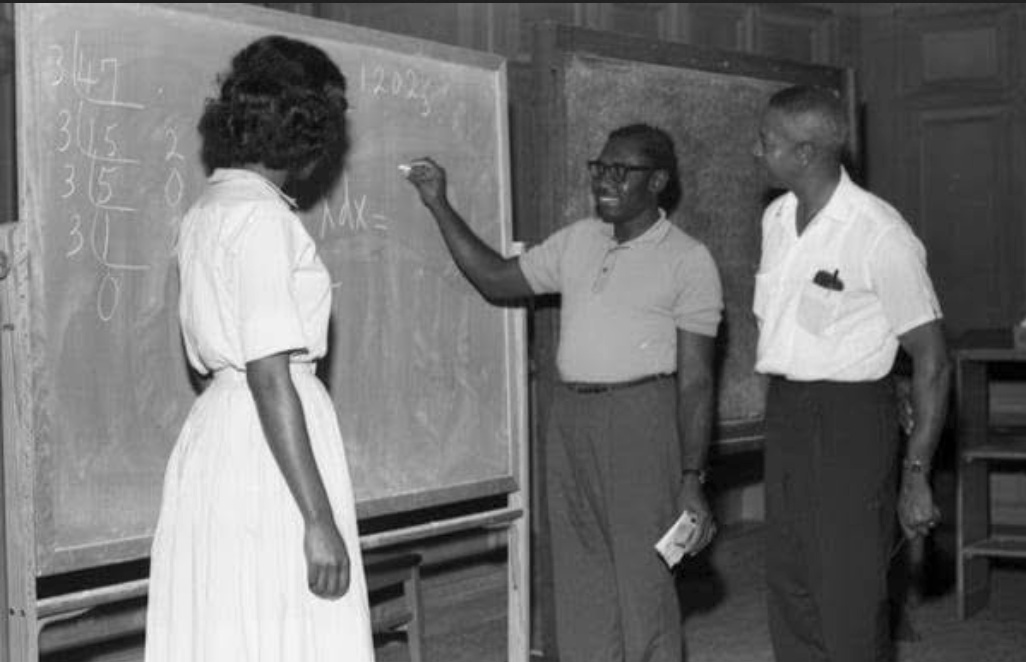
“His time at Ohio State was pivotal,” Gregory says. “He connected with students from all around the world and gained new ways of looking at teaching and at life. He also gained an entrepreneurial spirit. When he returned to Tallahassee, he started several small businesses inspired by what he’d learned at Ohio State.”
Anderson also found time to teach at the FAMU Developmental Research School, a K–12 school on the college campus. Fred Higgs, vice provost for academic affairs at Rice University in Houston, was in seventh grade when his math teacher quit and Anderson took over. Anderson called parents of students who misbehaved, including Higgs’. He tossed the math book, declaring it too basic, and taught pre-algebra. He added an intensive summer session so students could catch up. “Dr. Anderson is the person who put me on the advanced math track,” Higgs says. “If he hadn’t come in the seventh grade and catapulted me ahead, I wouldn’t have been on the STEM track.” Higgs went on to earn a PhD in mechanical engineering.
Anderson also had taught Higgs’ mother in high school. “For generations, Dr. Anderson was the math rescue person making sure kids did not get left behind.”