Smarter AI supports clearer choices in patient care
Ohio State scientists pair data and clinical insight to identify risks sooner, cut medication dangers and guide better diagnostic decisions.
Diagnosing and treating a hard-to-detect form of breast cancer. More accurately predicting and determining the onset of sepsis. Reducing the risk of adverse drug effects for people prescribed both opioids and stimulants. Ohio State scientists are using AI to help clinicians more effectively address important health issues. Here’s a look at two and how they can help patients.
Identifying hidden tumors
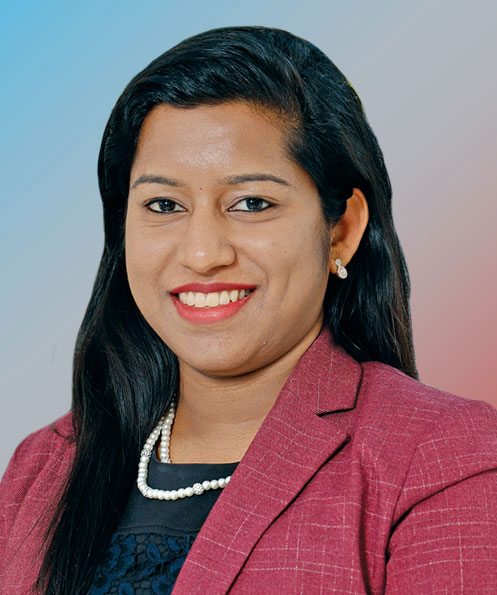
Dr. Arya Roy, a medical oncologist who specializes in lobular breast cancer at The James, is using AI to find new ways to predict which patients will develop a recurrence of this aggressive disease, which appears as just a subtle thickness on mammograms. It’s often not detected until it has spread.
“Our current genomic tests can give unclear or conflicting results for lobular breast cancer, making it harder for oncologists to decide on the best treatment,” she says. “We urgently need better tools, specific to lobular cancer, that can predict which patients are at high risk.”
In the study she leads to meet the need, Roy employs AI to analyze digital images of tumor tissue along with patient health data. She hopes to discover image-based biomarkers (natural signs of a biological condition) to better diagnose high-risk lobular cancer and predict whether and when it may recur.
“Combining these findings into a clear risk-reduction tool for patients with lobular breast cancer could improve both the early detection of this disease and methods of treating it,” the assistant professor-clinical says.
Read more about Roy’s work:
Video: Artificial intelligence for breast cancer screening
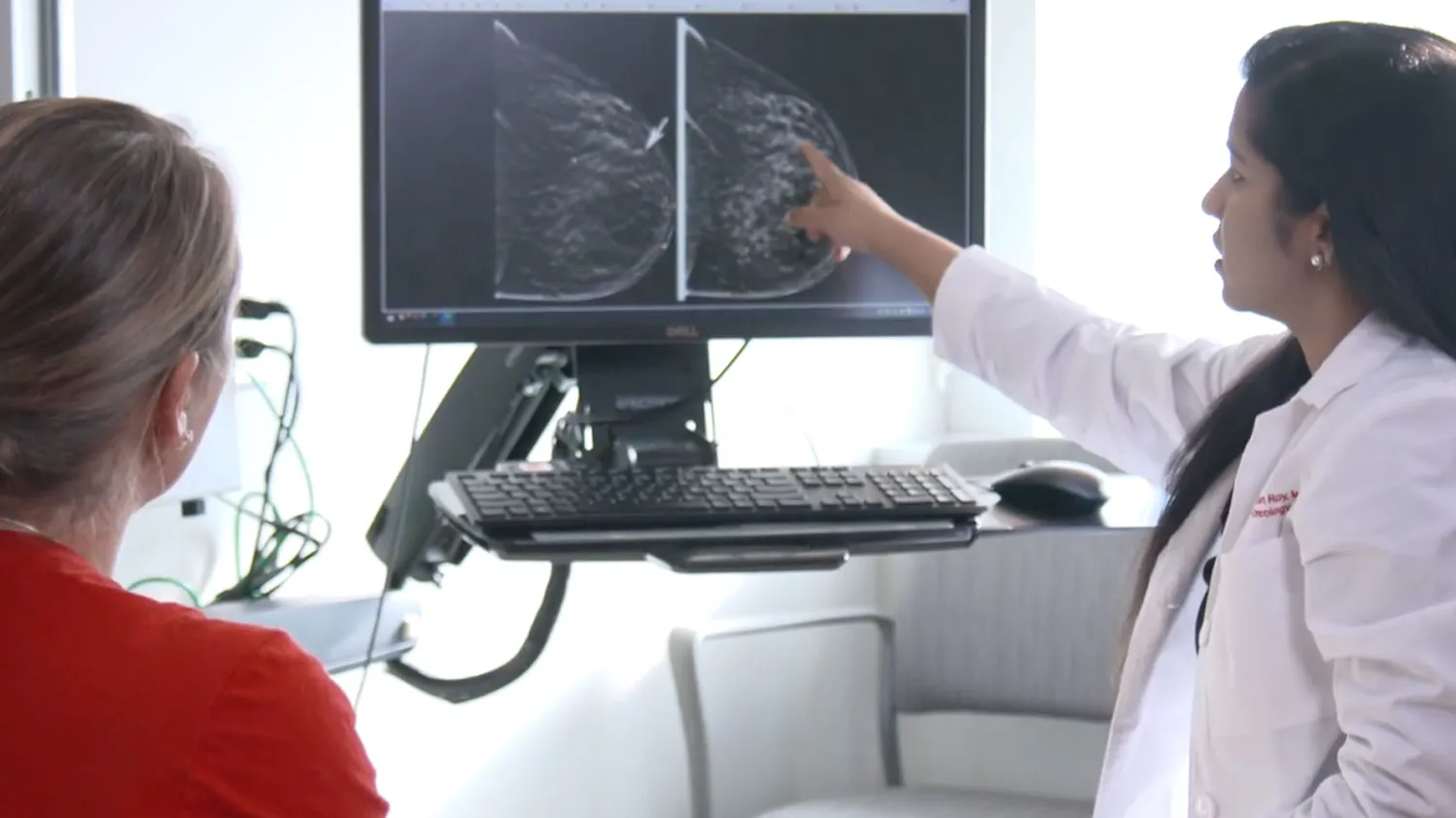
In this video of 1 minute, 30 seconds, Ohio State Health & Discovery shares how Dr. Arya Roy is using AI to improve cancer detection.
Human-centered tools
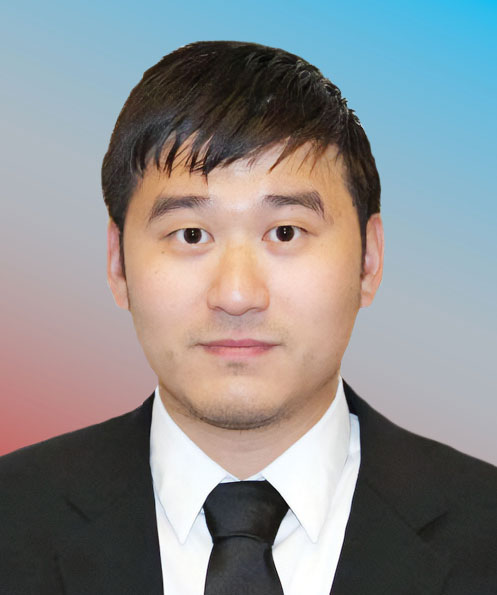
Ping Zhang, associate professor of computer science and biomedical informatics, directs the AI in Medicine Lab and the AI in Digital Health Program at the Wexner Medical Center. He develops AI systems that address health care challenges and help physicians make clinical decisions.
Zhang led a recent study showing that combining prescribed central nervous system stimulants with opioid medications can spark a pattern of rising opioid use, raising the risk for overdose deaths.
“We didn’t know whether stimulant use has a causal role in high use of opioids, so we conducted a big data analysis of how these two patterns interacted over time,” Zhang says. The study involved 2.9 million patients who had at least two different opioid prescriptions between 2012 and 2021.
His team also developed an AI-assisted tool based on feedback from doctors and nurses who treat patients for life-threatening sepsis—the body’s overreaction to infection. SepsisLab improves upon an earlier model by quickly generating a risk score involving input from clinicians, rather than just the patient’s electronic health record. This human-centered system “puts the physician in the driver’s seat.”
Read more about Zhang’s work: