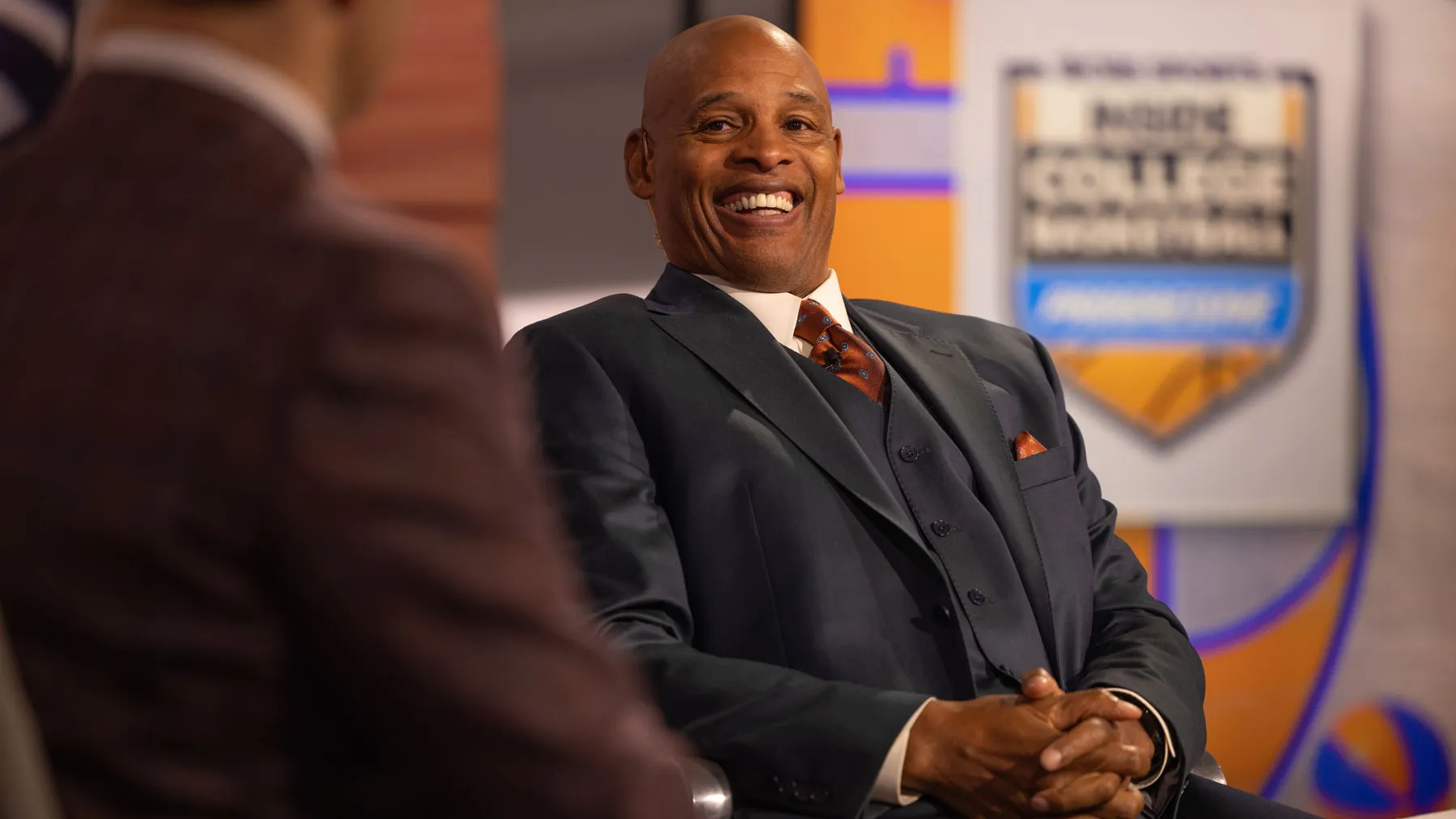
Clark Kellogg stays in the game
Go backstage with the Ohio State hoops great, whose second act as one of basketball’s most trusted broadcasters shines with purpose and perseverance.
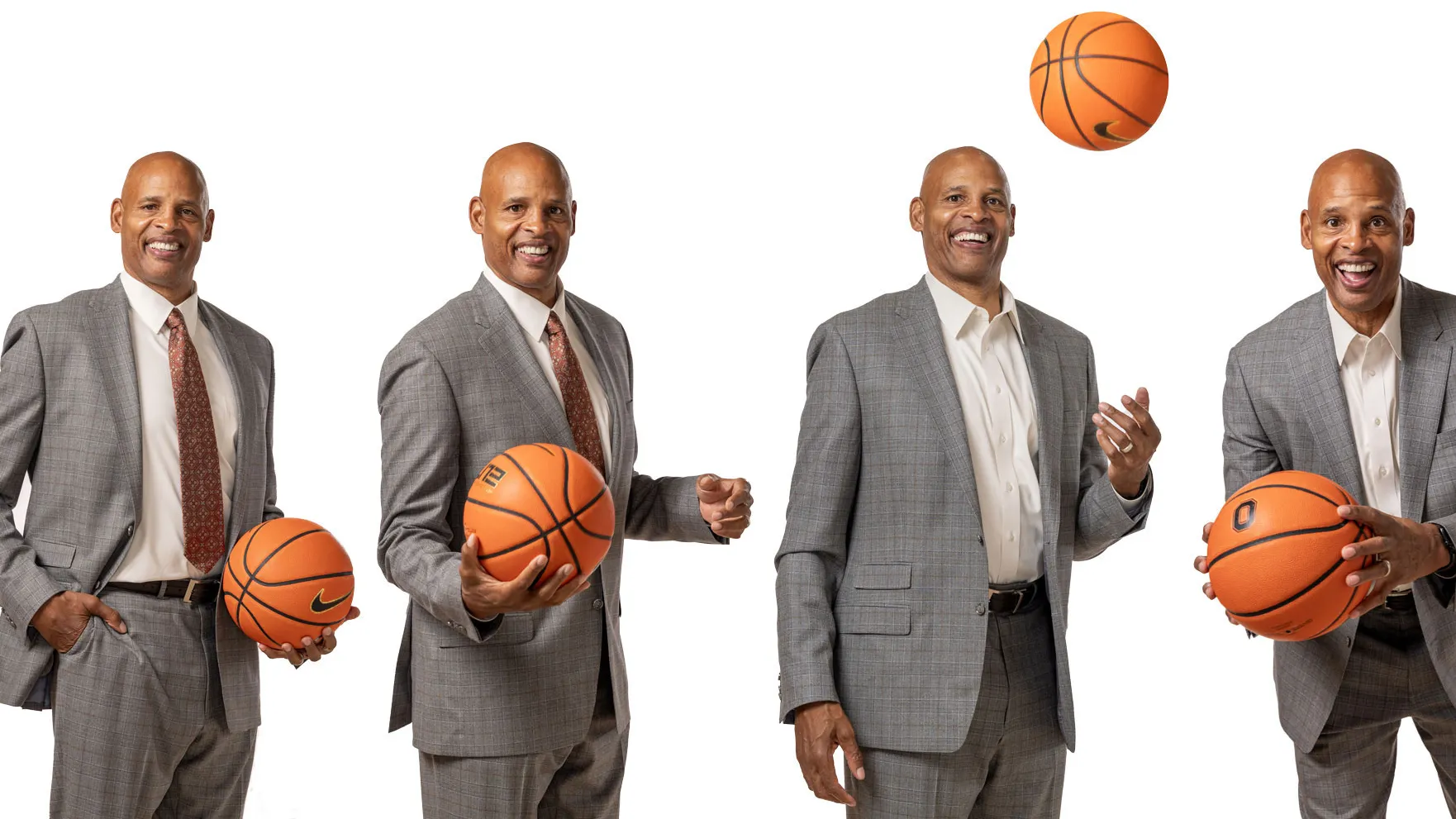
Clark Kellogg ’96 is smiling and at ease even though he’s moments from speaking to millions of people on live television. His customary warm demeanor contrasts with the chilly temperature inside Studio 43 at the CBS Broadcast Center in Midtown Manhattan, where most crew members are wearing jackets, sweaters or hoodies.
Kellogg stands among them, dressed in a dark suit, cream shirt, scarlet tie and pocket square that befits his high-profile position as lead analyst for “Inside College Basketball,” set to air in a few minutes on this Saturday in December. As always, he did the necessary prep work at his home in Westerville, Ohio, before traveling to New York City a day earlier. He studied notes at his hotel last evening and reviewed them again this morning before and during a team production meeting and rehearsal.
“You want to give plenty of room for spontaneity, but I know what I want to talk about on the show,” Kellogg says.
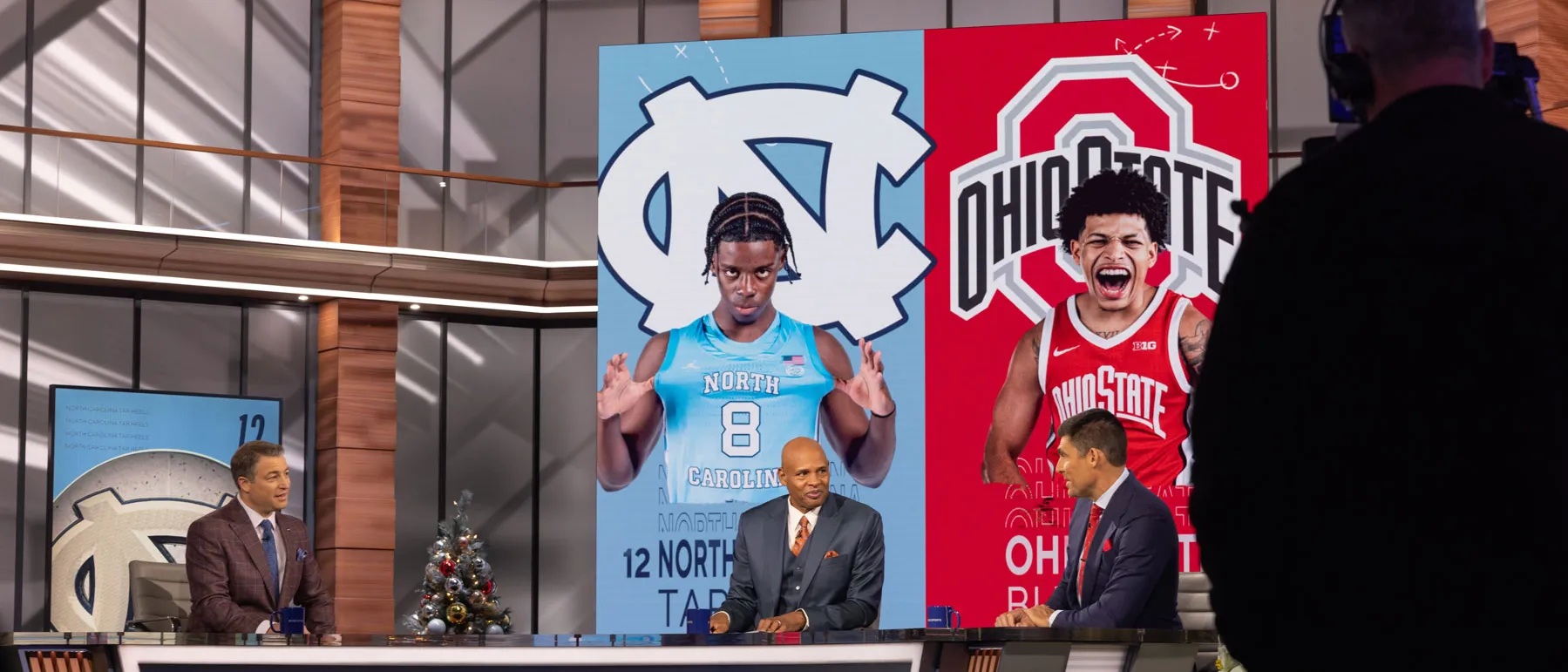
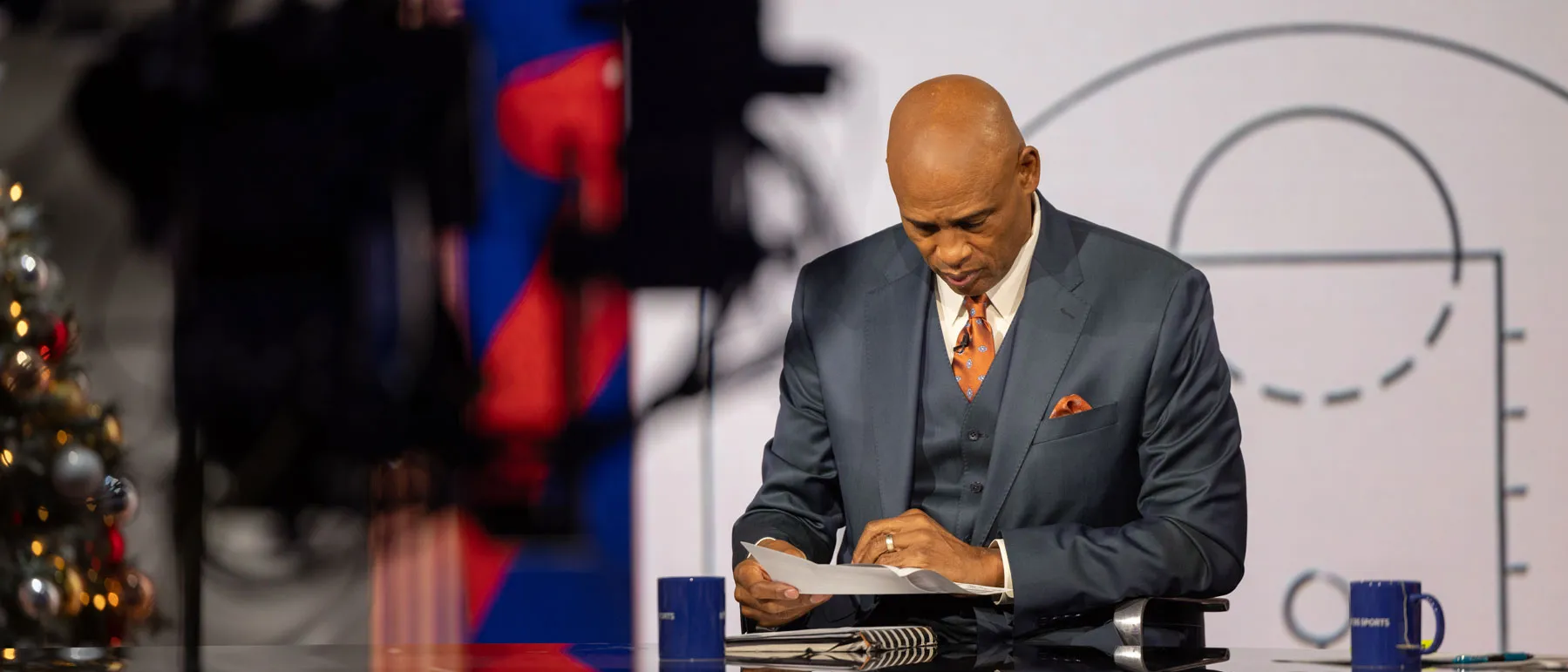
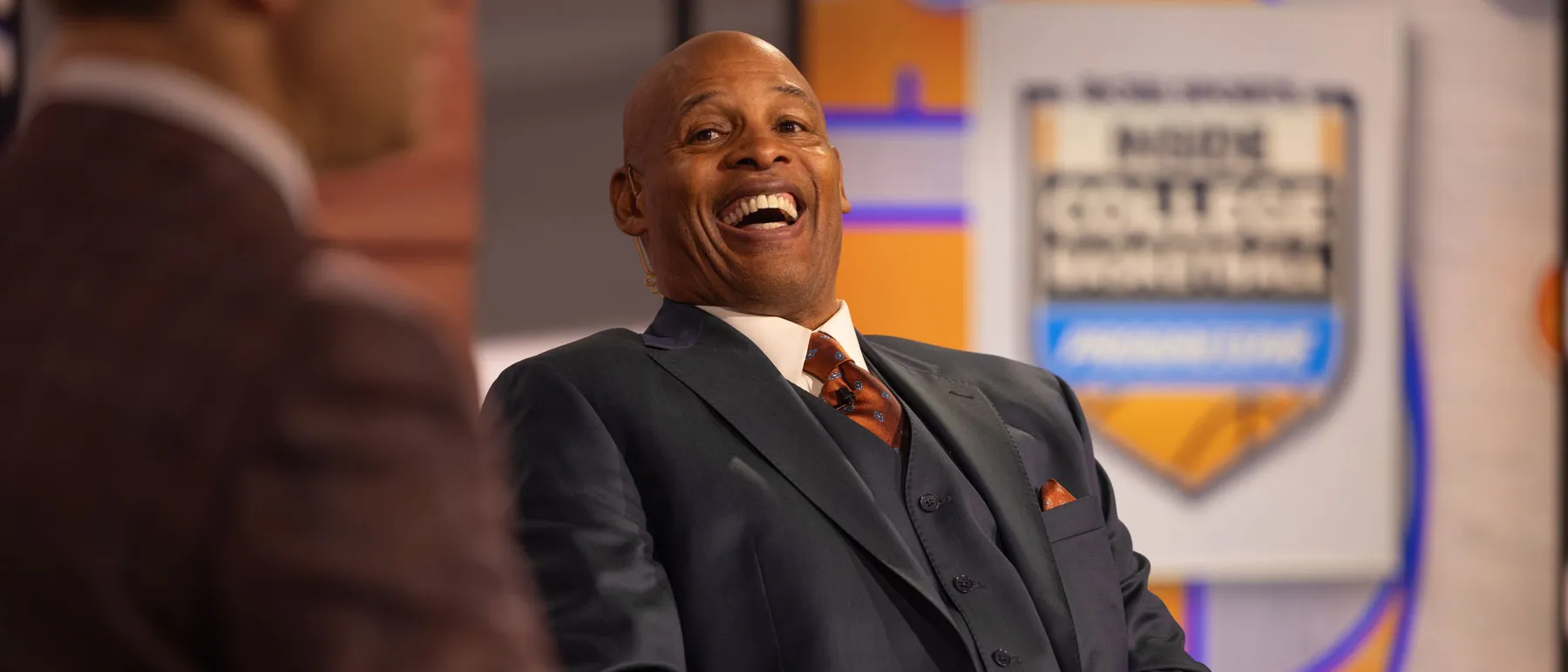
He did his homework with the mindset of a team player. Kellogg might be a basketball icon, but he believes he’s part of something bigger than himself. With three college basketball games on the schedule for the day, everyone must act in cohesion to deliver compelling pregame, halftime and postgame segments. The team shares high expectations established from years of working together.
“We all have gifts,” says Kellogg, one of Ohio State’s greatest basketball players (1979–82). “All work is meaningful, and how we do the work we’re called to do is extremely important, no matter what space you occupy. How do I engage with the people who are part of our team?
“How do I help them become the best they can be? How do I appreciate them—our researchers, our editorialists, the people you never see who are behind the camera? How can I contribute to them feeling part of what we’re doing even though they’re not the stars? How do I value them as people?”
Kellogg focuses on teamwork even though he’s a face of college basketball thanks to 29 years as a full-time game and studio analyst for CBS Sports, and nearly four decades total in broadcasting. He has earned a stellar reputation among peers, coaches and players for his reliable insight, creative use of language—Spurtability! Stat-sheet stuffer supreme!—and unwavering hoops enthusiasm.
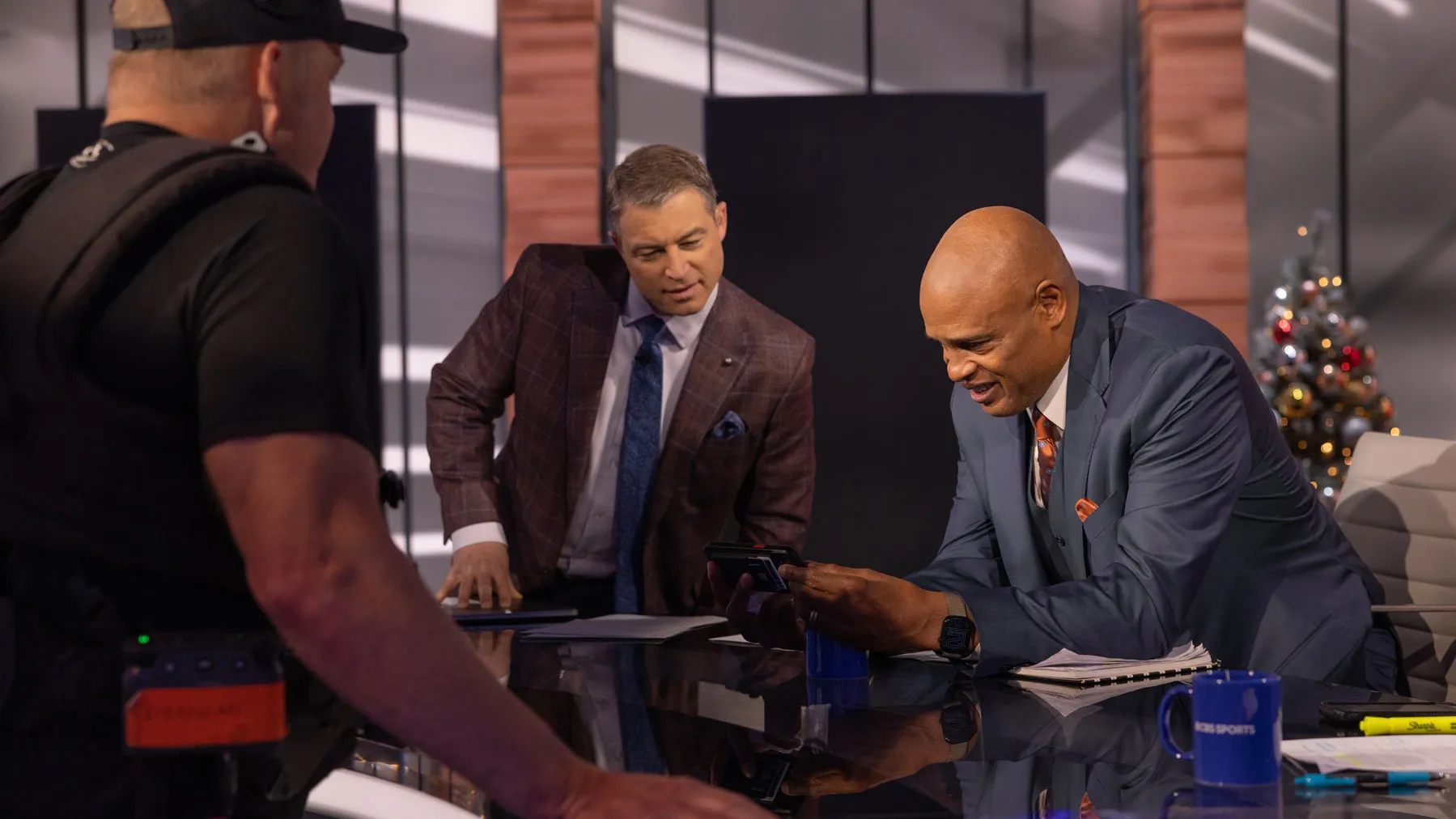
Kellogg shares a laugh with host Adam Zucker and a crew member as they watch his phone.
“Clark’s genuine personality translates to how he comes off on the air,” says Paul Keels, radio voice of Ohio State football and men’s basketball since 1998. “You not only get the basketball knowledge that he has, but he doesn’t talk so technical that you can’t understand what he’s saying. And he does it while interjecting some humor. When you watch him on TV, he really does make you feel like he’s talking to you, not the masses.”
Kellogg has been speaking to you on TV since 1987, when knee injuries ended his five-year NBA career with the Indiana Pacers. Two years of analyst work in his hometown of Cleveland propelled him to network opportunities that included ESPN, which he departed for CBS Sports in 1997, where he has since been a fixture, especially during March Madness.
Along the way, Kellogg has stayed grounded. “Clark has a fantastic ability to distinguish role versus self,” says former Cardinal Health CEO George Barrett, who serves with Kellogg on The Columbus Foundation’s governance committee, which provides stewardship for the nonprofit’s charitable acts. “He has a clear sense of who he is.”
Kellogg, 64, says his self-image stems from a strong religious faith that defines his life’s purpose: serving others. This guiding principle begins with family—Rosy, his wife of 42 years, their daughter, two sons and five grandchildren—and branches out in acts of sincere friendship, strong support for Ohio State in multiple ways, community advocacy as a volunteer and popular speaker, and diligent leadership on the board of directors for First Merchants Corp., a financial holding company, and RLI Corp. insurance.
Last September, Kellogg’s kindness was on display when the Naismith Basketball Hall of Fame honored him with the Curt Gowdy Media Award for making “significant contribution to the sport.” His acceptance speech was a roll call of gratitude toward others, including Dennis Thatcher, who gave him his first TV job in 1987 as an analyst for Cleveland State games on local station WOIO.
Thatcher, now president of Mission Broadcasting Inc., wasn’t familiar with the speech. Told two months afterward that Kellogg had paid “special thanks” to him, he paused silently for about 10 seconds before responding with tears in his eyes: “Thank you. He’s such a great guy. Wow. That’s great.”
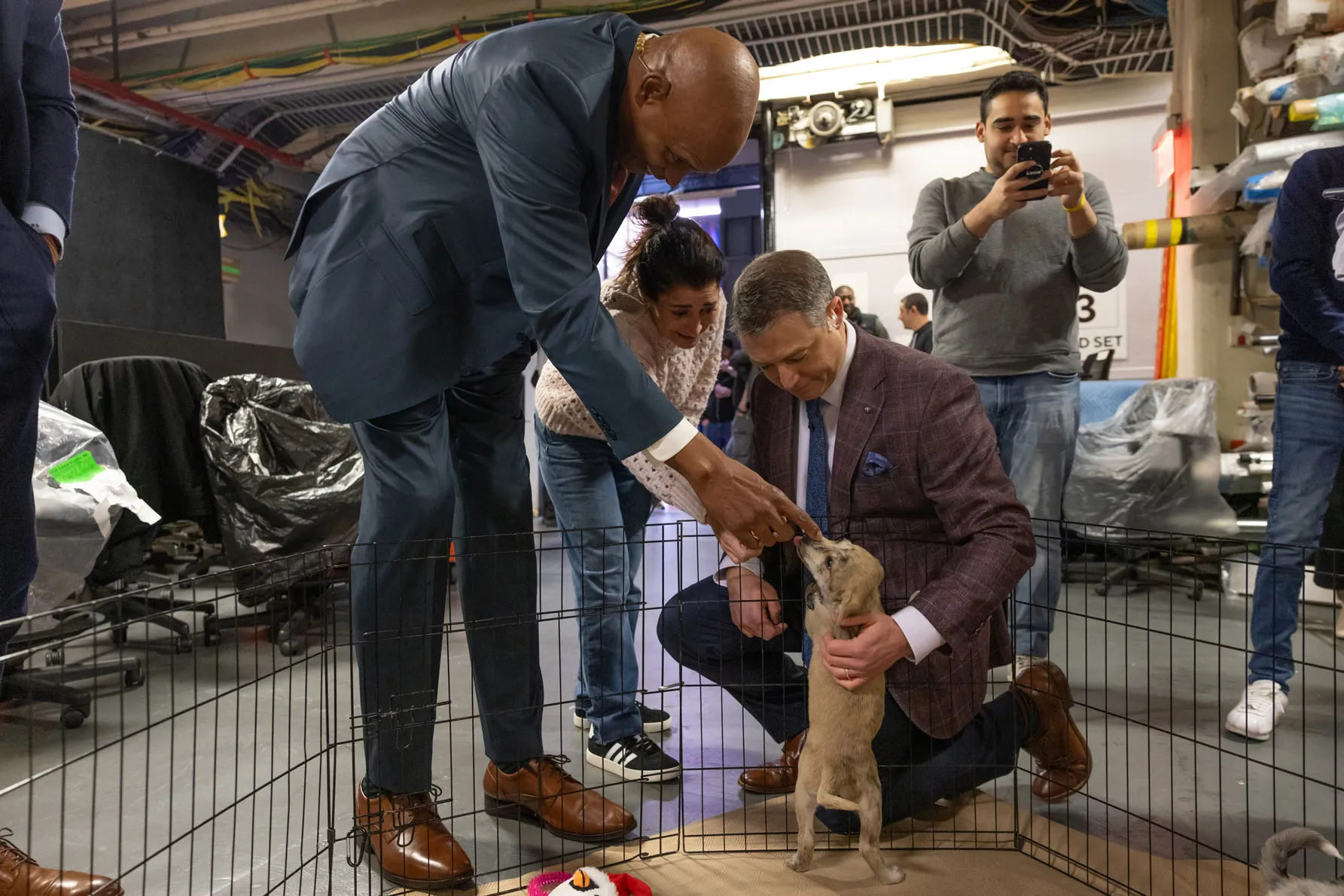
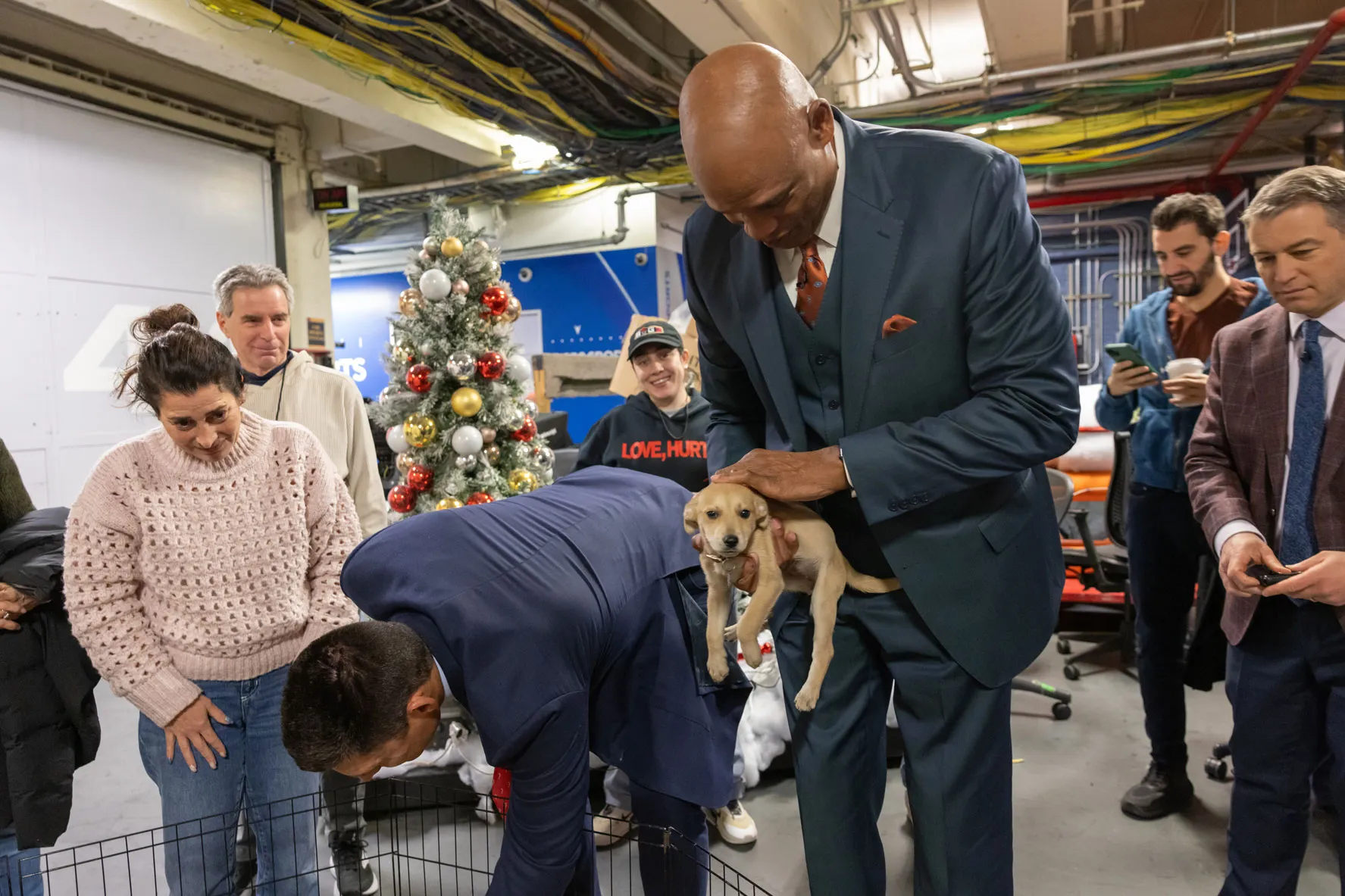
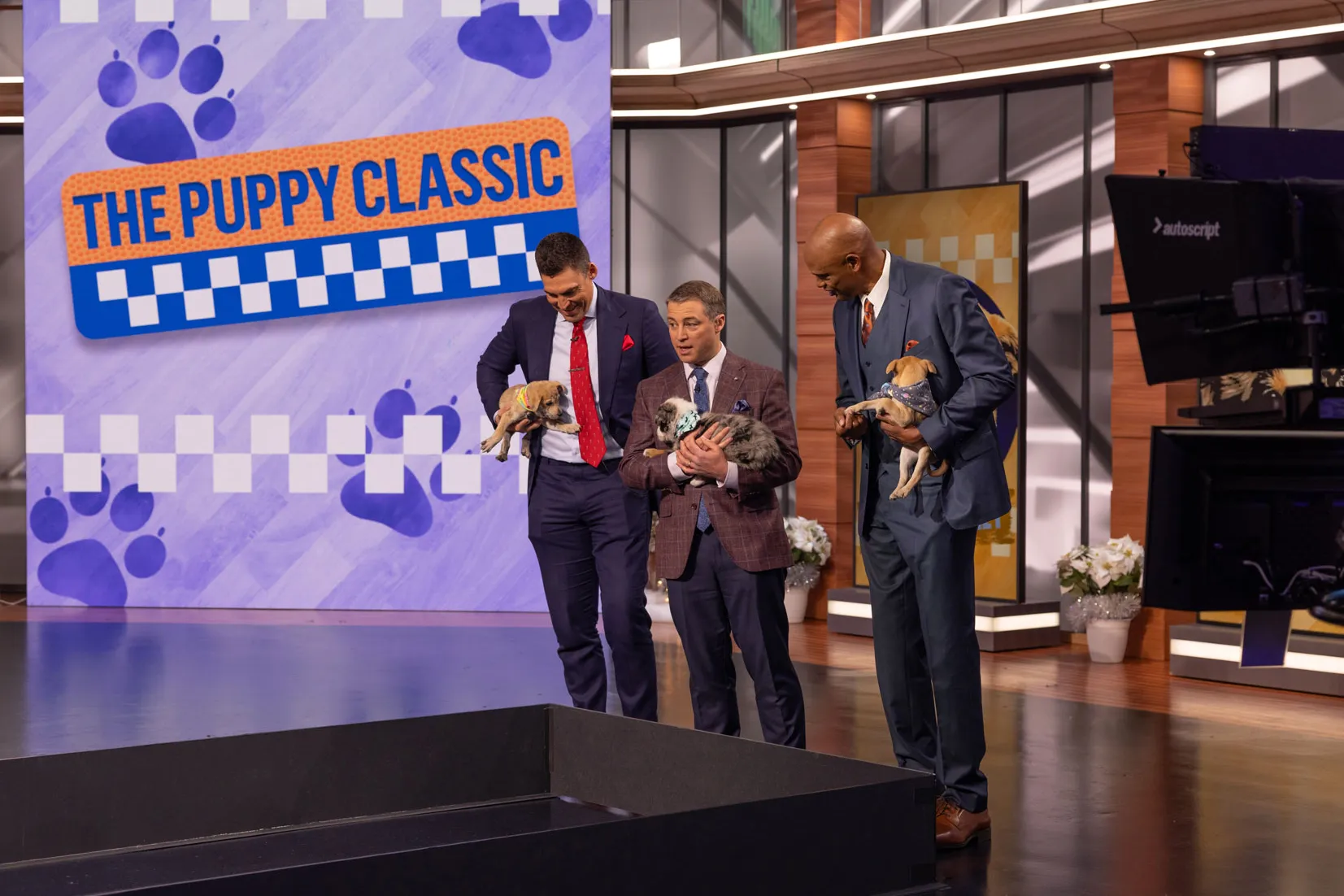
Kellogg’s inclusiveness shines amid the bright lights and colorful LED displays of Sean McManus Studio 43, named after the retired CBS Sports chairman who hired him. The star analyst is in the back of the set, chatting with partners Adam Zucker and Wally Szczerbiak and a dozen crew members, all enjoying momentary levity before the coming intensity.
“All right, four minutes to air. Four minutes,” announces stage manager Veda Carey.
Her declaration ignites energy. Staffers move chairs and fine-tune cameras. “I have butterflies, but I’m not nervous,” Kellogg says. “I’m excited to do this work with our people. It’s a privilege.”
As Kellogg walks to the studio desk, a veteran staffer behind a camera leans over and says: “Clark is the best. When you’re around Clark, you want to be better.”
With the clock ticking down, Kellogg settles into his seat between host Zucker and fellow analyst Szczerbiak.
“Thiry seconds to air,” Carey calls out.
“Ten seconds … Five, four, three …”
Just before the camera’s light goes red, Kellogg spreads his long arms and fist-bumps Szczerbiak and Zucker.
Three or four times a year, Kellogg forgets to duck and bangs his bald head on a door frame, causing a bloody gash. Such is a peril of being 6 foot 8, a height that onlookers are reminded of as he leans back in his chair and stretches his long legs onto the studio’s main desk.
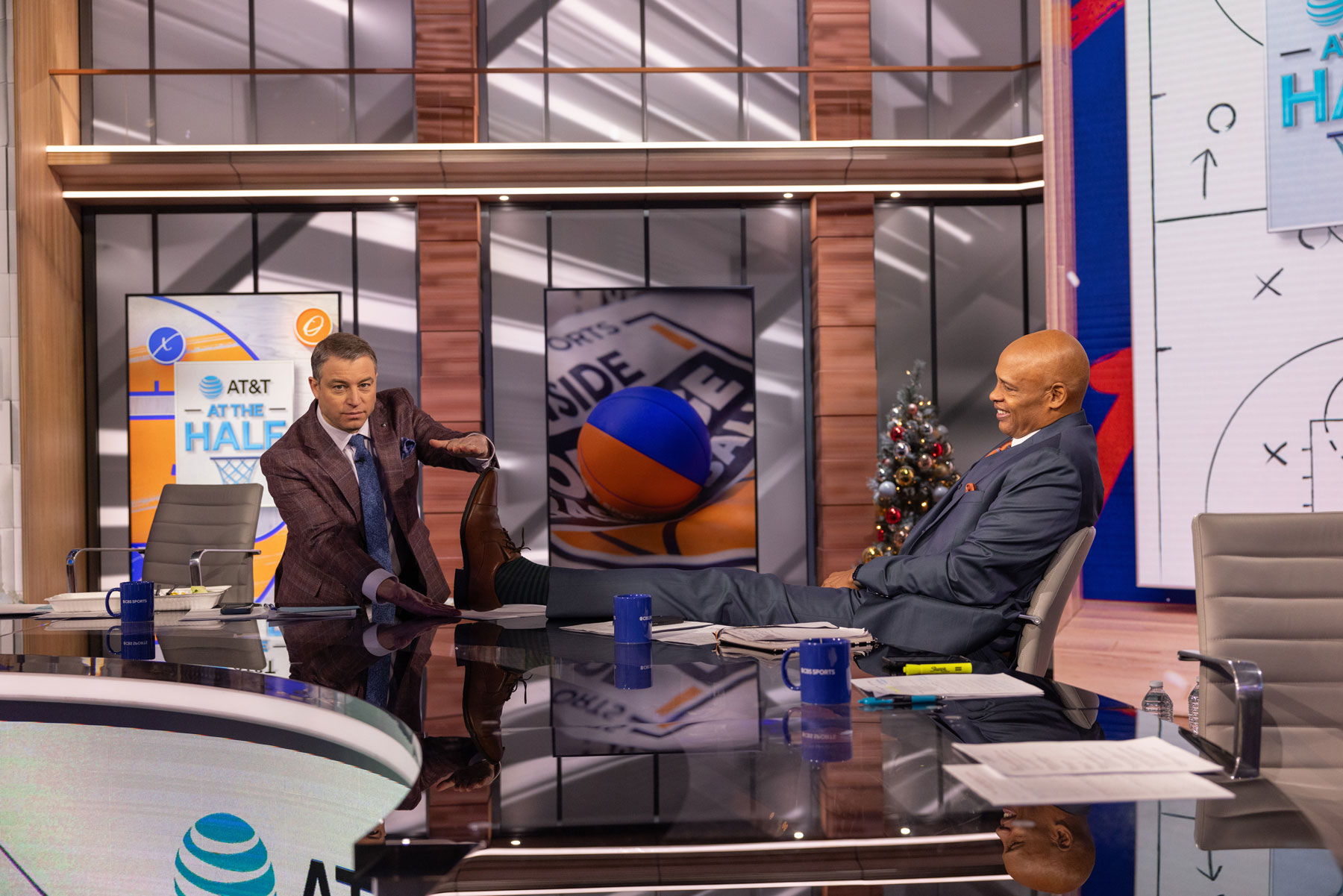
The pregame show has finished without a glitch, and the halftime show is about an hour away. Zucker is eating lunch next to Kellogg, who relaxes by checking his phone, which he keeps on a stand behind his seat as a connection to his off-screen life. At least one devoted and knowledgeable sports fan can be quick with a comment while watching him on TV.
“Rosy’s my best and most candid critic,” Kellogg says. “Sometimes I’ll be on the air, and if I’ve tried to say something too cleverly, she’ll almost instantly text me a cringing emoji or write, ‘What are you talking about?’ She’ll hit me up with a call or FaceTime, and we both bust up laughing.”
Calls are made in fun, not to keep Kellogg’s ego in check. His mother and father took care of that when their oldest of five children had Gov. Jim Rhodes ’68 HON greet him during a recruiting trip to Ohio State as one of the nation’s top high school players.
“I’ve never wanted to feel as though I was above anybody else,” Kellogg says. “My parents ingrained into me that you’re not special because people know who you are through basketball. You treat everybody the way you want to be treated: with respect and decency.”
Funny now that Kellogg was known in his playing career as “Special K” because his multiskill set wasn’t common then at his height. The moniker fit.
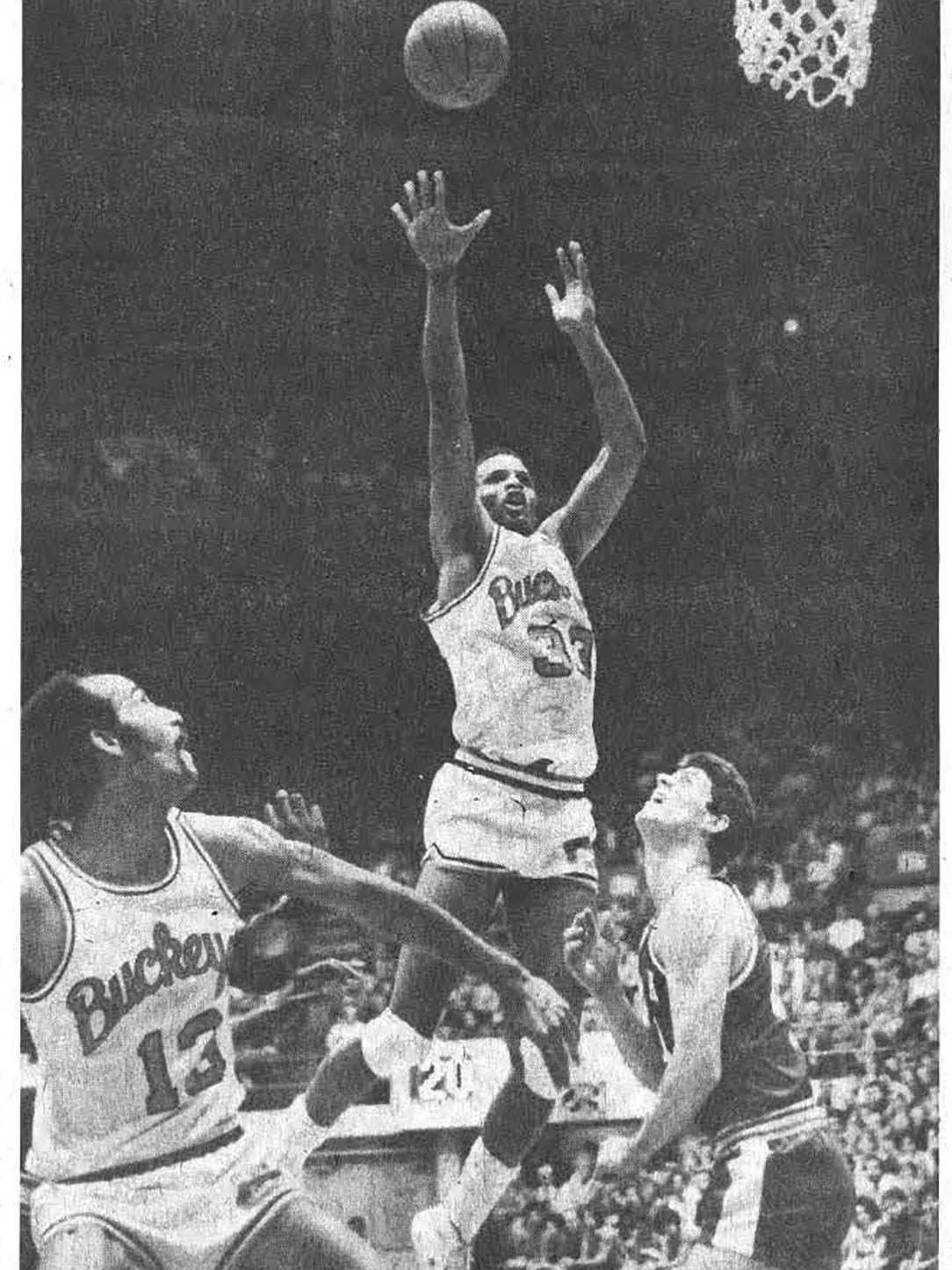
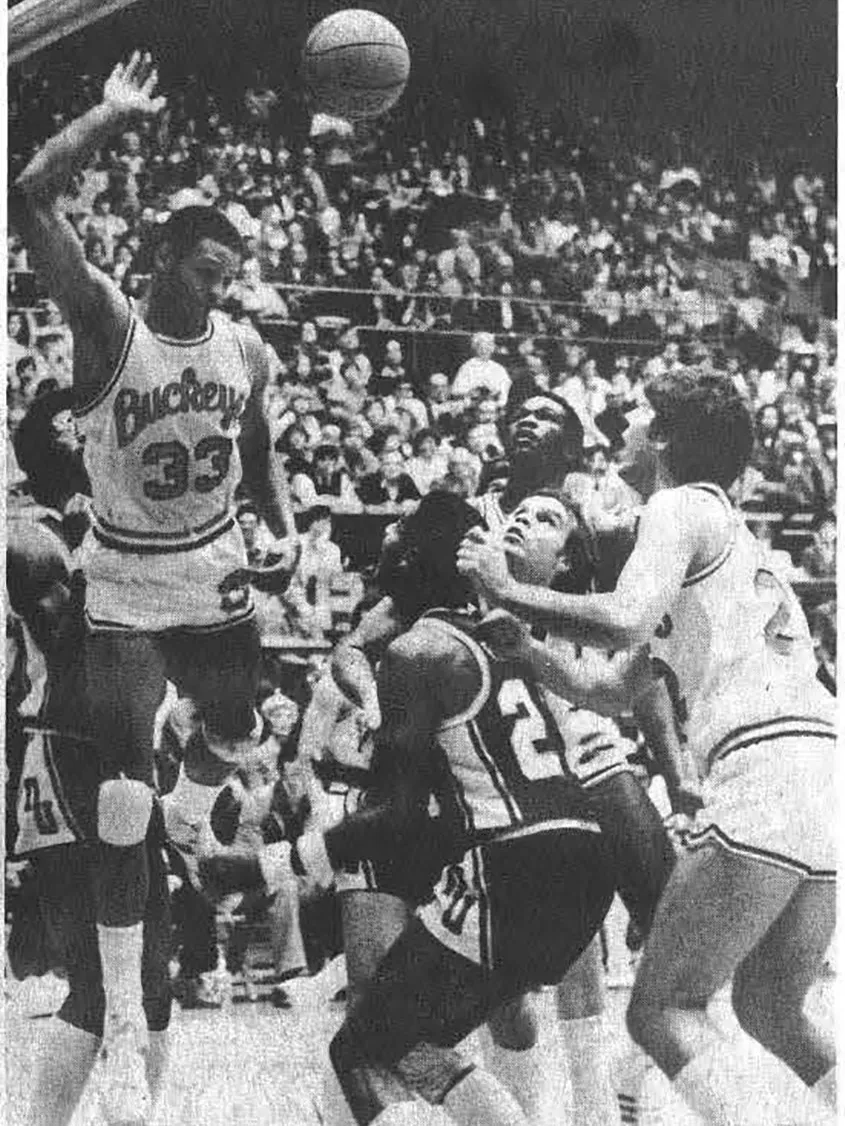
Kellogg was named an All-American and the Big Ten’s Most Valuable Player as a junior with the Buckeyes. After leaving school early, the Pacers selected him in the 1982 NBA draft’s first round with the No. 8 overall pick. He averaged 20.1 points and 10.6 rebounds while finishing second in the league’s rookie of the year voting. Two more productive seasons were followed by two in which he totaled 21 games because of three knee surgeries. He retired at age 26 in 1987.
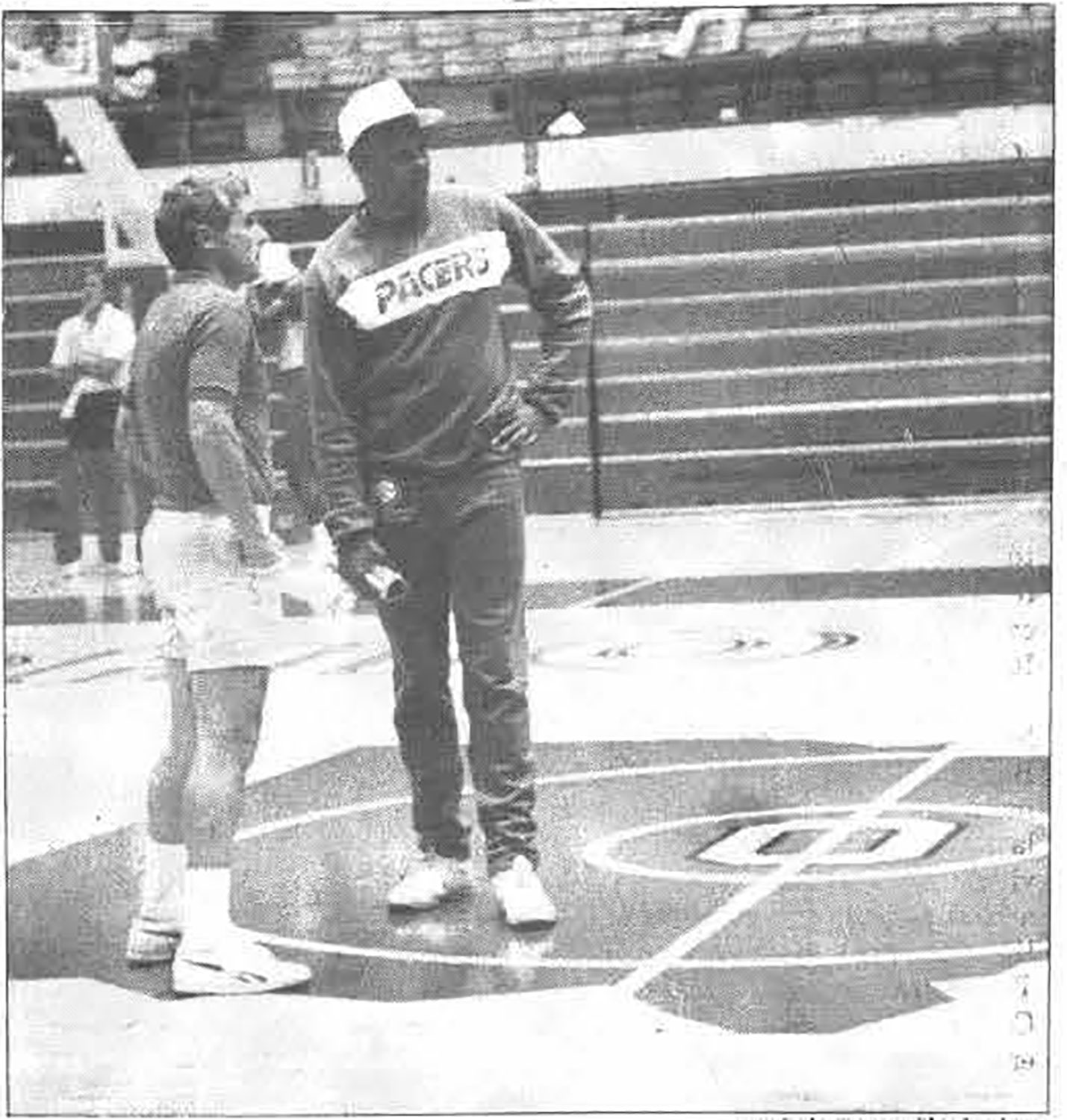
That abrupt end was soothed by Rosy and their decision a year earlier to become Christians. Broadcasting opportunities also helped, as did returning to Ohio State for classes over the years. At 35, Kellogg earned a marketing degree in 1996. The achievement meant so much to him, he took a red-eye flight to attend winter commencement the day after calling a game in Los Angeles. The diploma remains prominently displayed in his home office.
“Ohio State changed my life dramatically,” says Kellogg, a 2001 Distinguished Service Alumni Award honoree. “I’ve made lifelong relationships because of Ohio State.”
Kellogg met Rosy during his freshman year at the university in 1979. They married four years later, and now their days remain filled by shared laughter, love for family and friends, prayer and Bible reading, and enjoyment of sports. She politely declined to be interviewed, but he’s effusive in praising her for unwavering support and the strengthening of their belief in paying forward. Kellogg has done so for Ohio State, most notably by serving on the university’s Board for Trustees from 2010 to 2019. Before that, he was a member of the alumni association board of directors for five years and commencement speaker in December 1998.
“We all have responsibility and agency to try to make our world better,” Kellogg says. “There are certain unique platforms that can maybe elevate that influence and broaden it. To me, what’s most important is that we all be mindful to how we can do that ourselves and help other people do that.”
Clark and Rosy have long supported Big Brothers Big Sisters of Central Ohio, as well as Athletes in Action and Fellowship of Christian Athletes. He’s a member of the athlete advisory board for Business of Student Success, a national nonprofit group that helps underserved youth. He’s serving his final year on The Columbus Foundation’s governance committee, after being chairperson the previous two years.
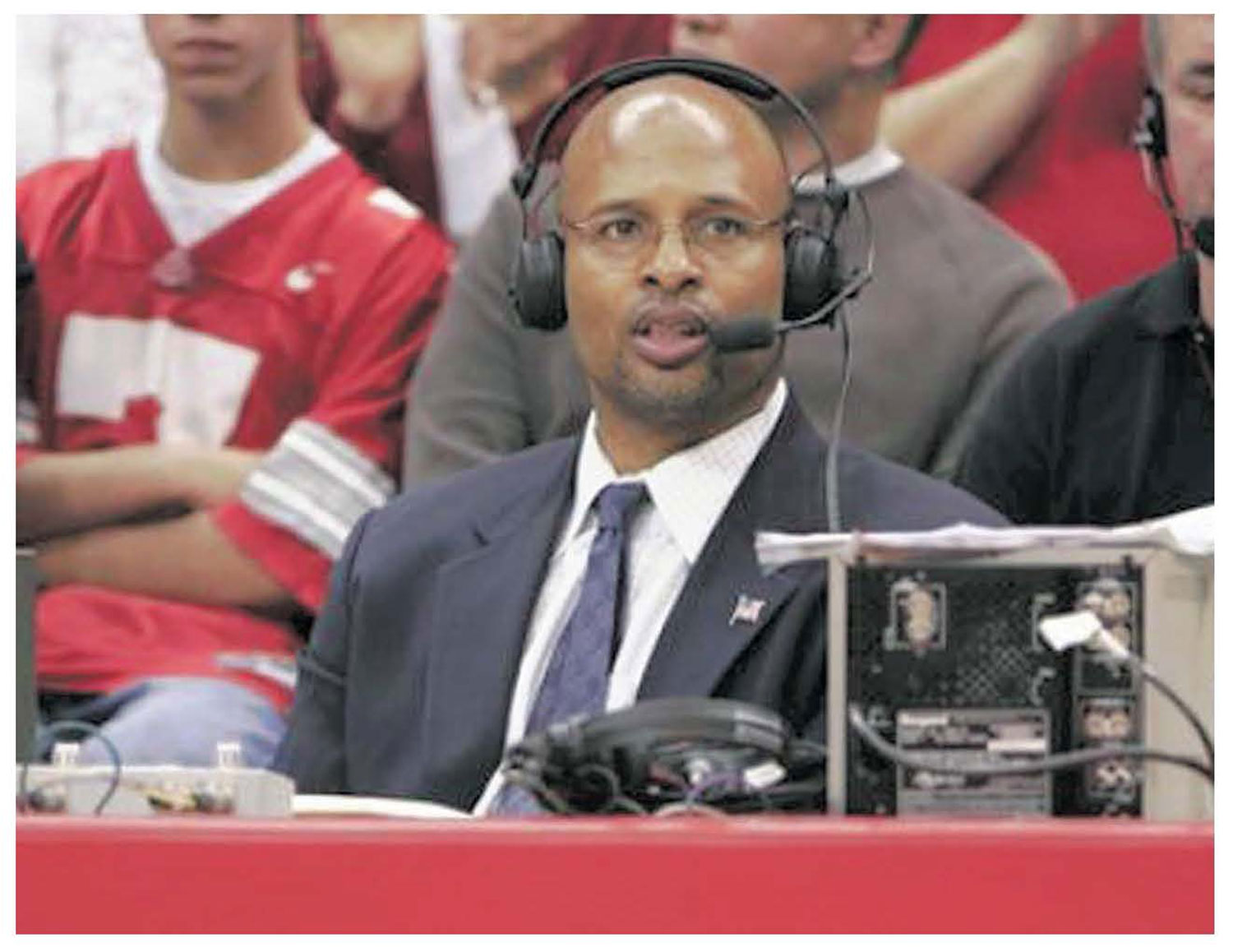
Kellogg says his name creates many such opportunities, but those close to him also appreciate his nonpublic goodwill gestures. “Clark takes the time to check in regularly,” says Lloyd Brewton of Westerville, his friend for more than 20 years. “‘What’s going on? How you feeling? What’s happening with the family?’ He’s a guy who thinks of the little things that connect people and that you remember the most.”
Ron Stokes ’85 credits Kellogg, his former Buckeye teammate, for helping him emotionally when his mother, Lillie Stokes, died of cancer at age 91 in April 2025. “We both have lost our parents, so we were able to talk through some of that pain because he has felt it,” says Stokes, in his 29th year as radio analyst for the Ohio State men’s basketball team. “I’ll never forget our talks. He knew what I was going through, and he was very supportive and comforted me. That’s Clark.”
Brewton knows he can count on a reply if he buzzes Kellogg’s phone, even if it’s sitting near his CBS set desk like it was in December. “I’ll send him a text message, maybe about a call he made that I disagree with,” he says, “and three or four minutes later, he’ll text me back while he’s in the studio.”
Kellogg’s phone is silent as he watches the ongoing first game on a monitor built into the desktop. He and Szczerbiak discuss how to divvy up highlights during the fast-approaching halftime show.
“If you have one or two plays on him, you take him,” Kellogg says. “I don’t have to do the same guy.”
Show producer Deb Gelman, located in a room down the hallway, also talks with the analysts. They’re connected by in-house microphones and earpieces.
“Yes,” Kellogg says to her. “I’ll give Wally this one.”
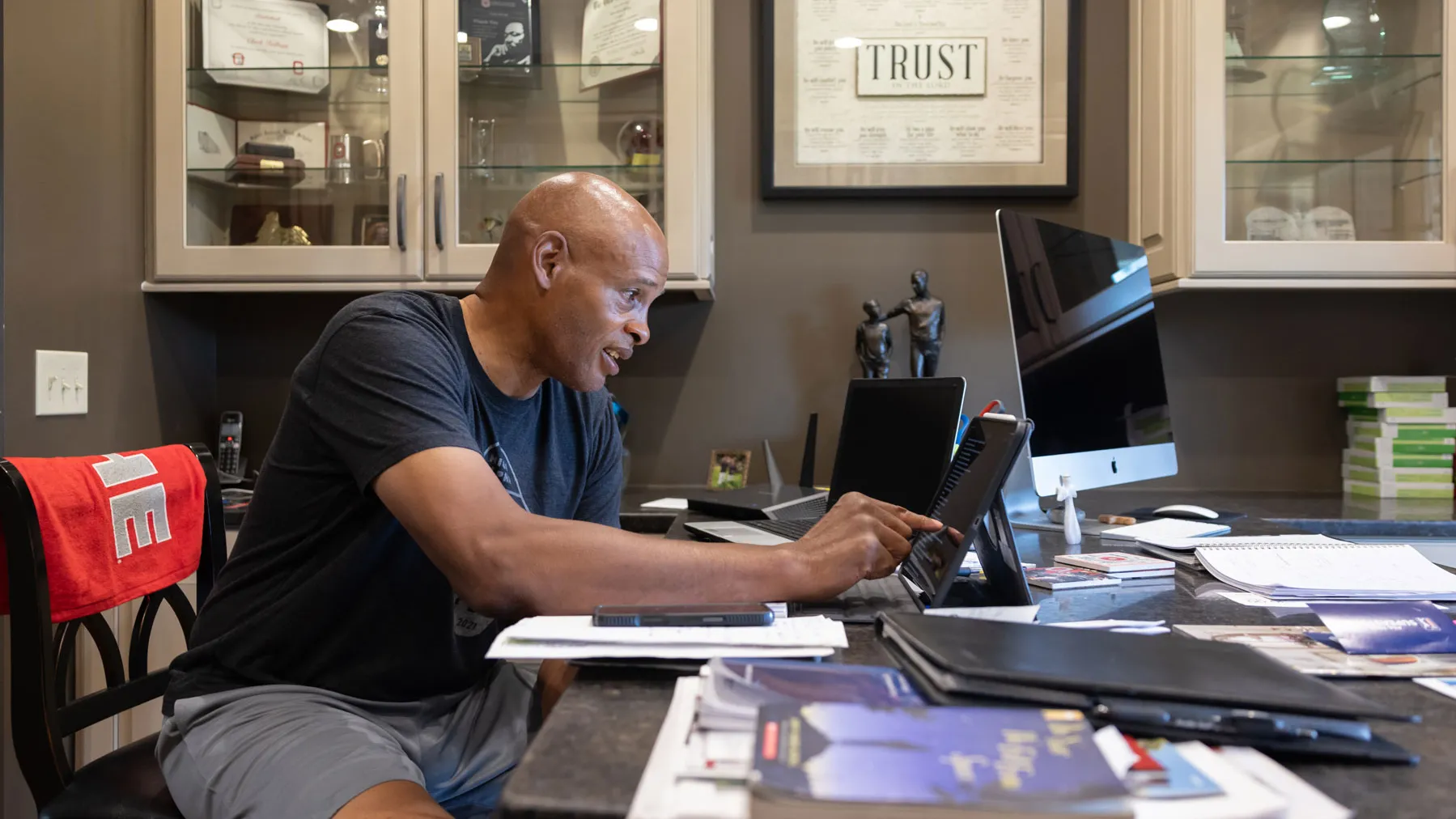
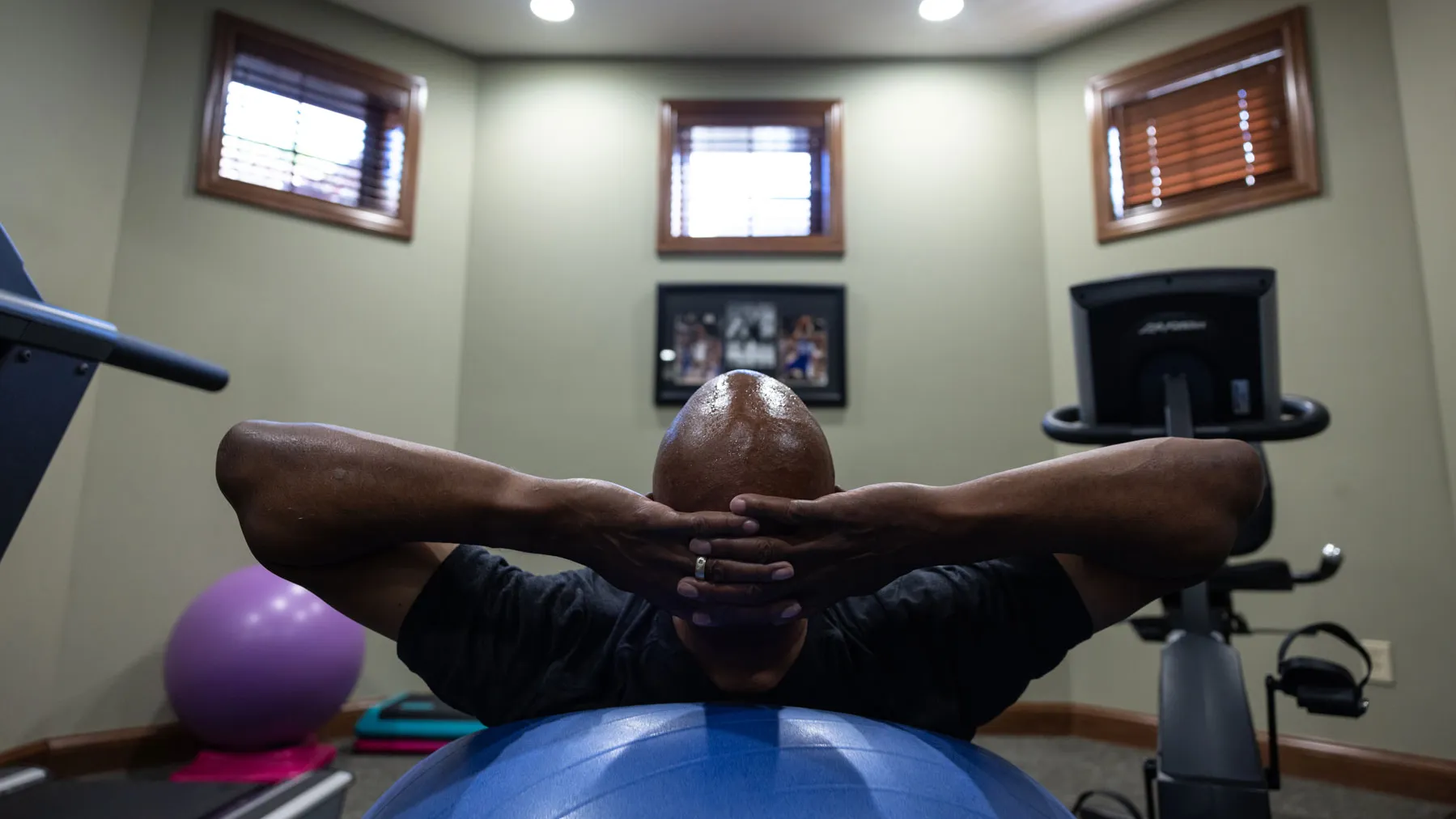
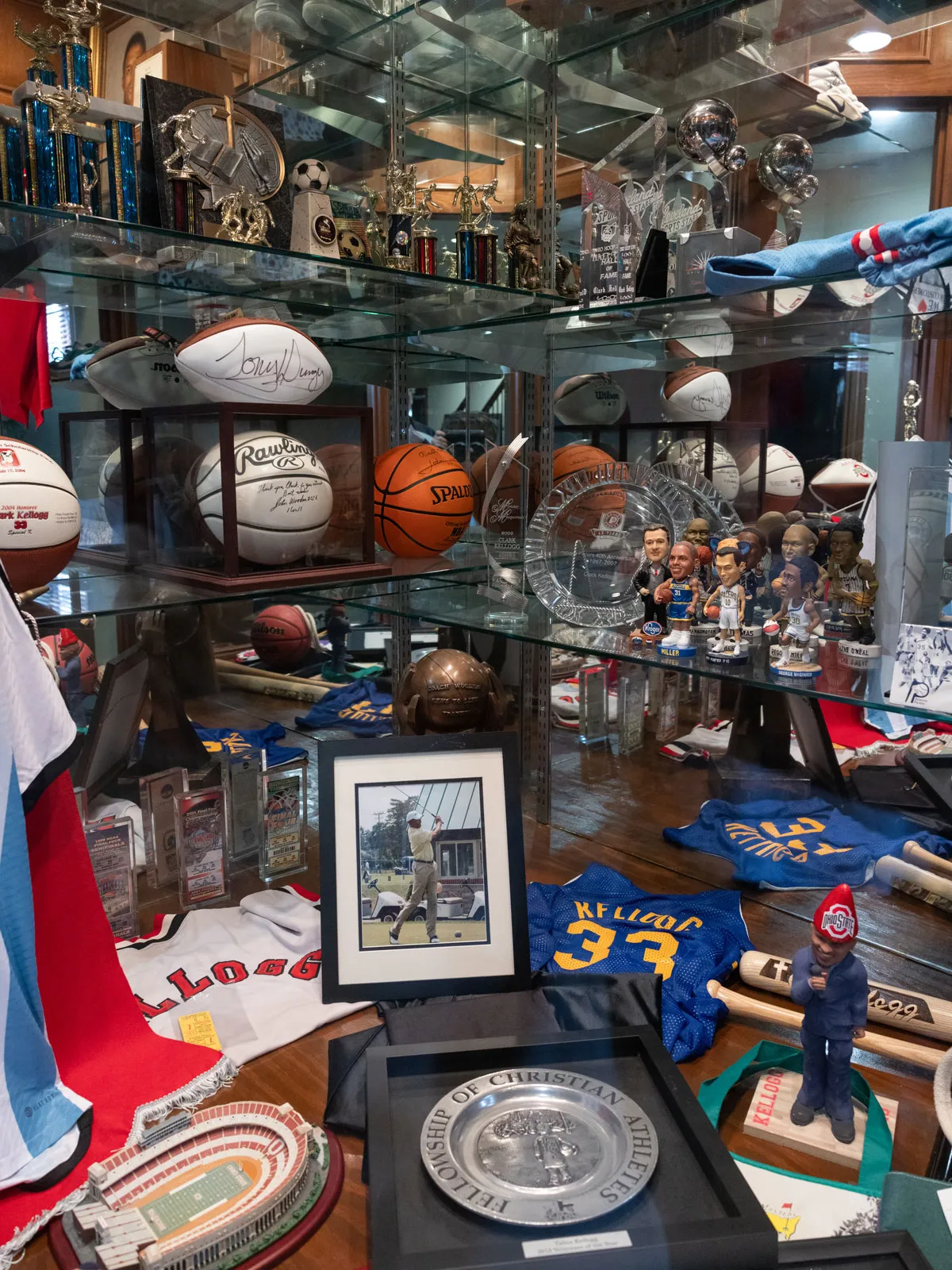
Kellogg believes good analysis begins with doing his homework. In the preseason at his Ohio home, he keeps records of words he likes, studies past games and takes detailed notes (shown below) on teams and players. He also exercises in his basement workout room.
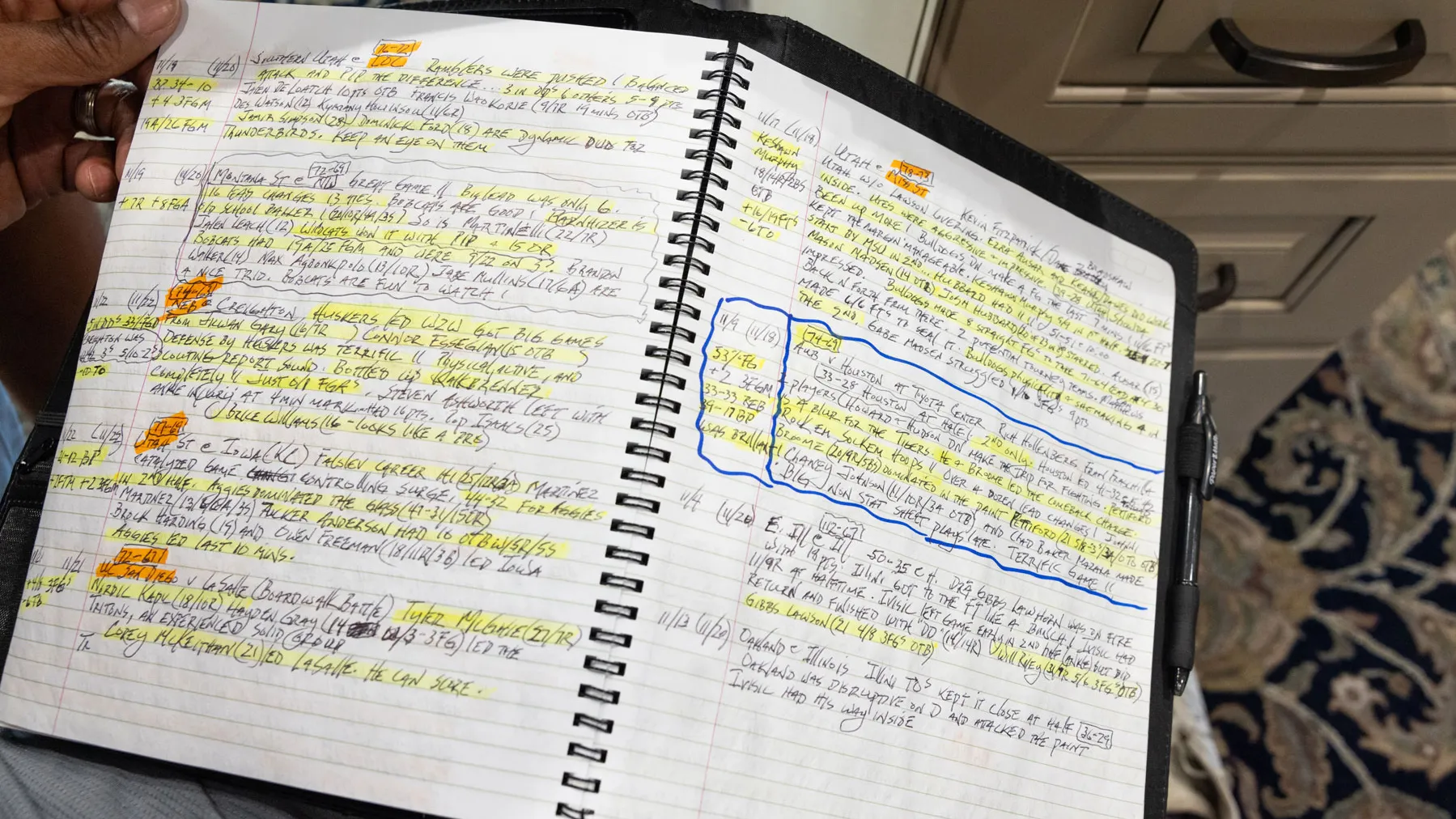
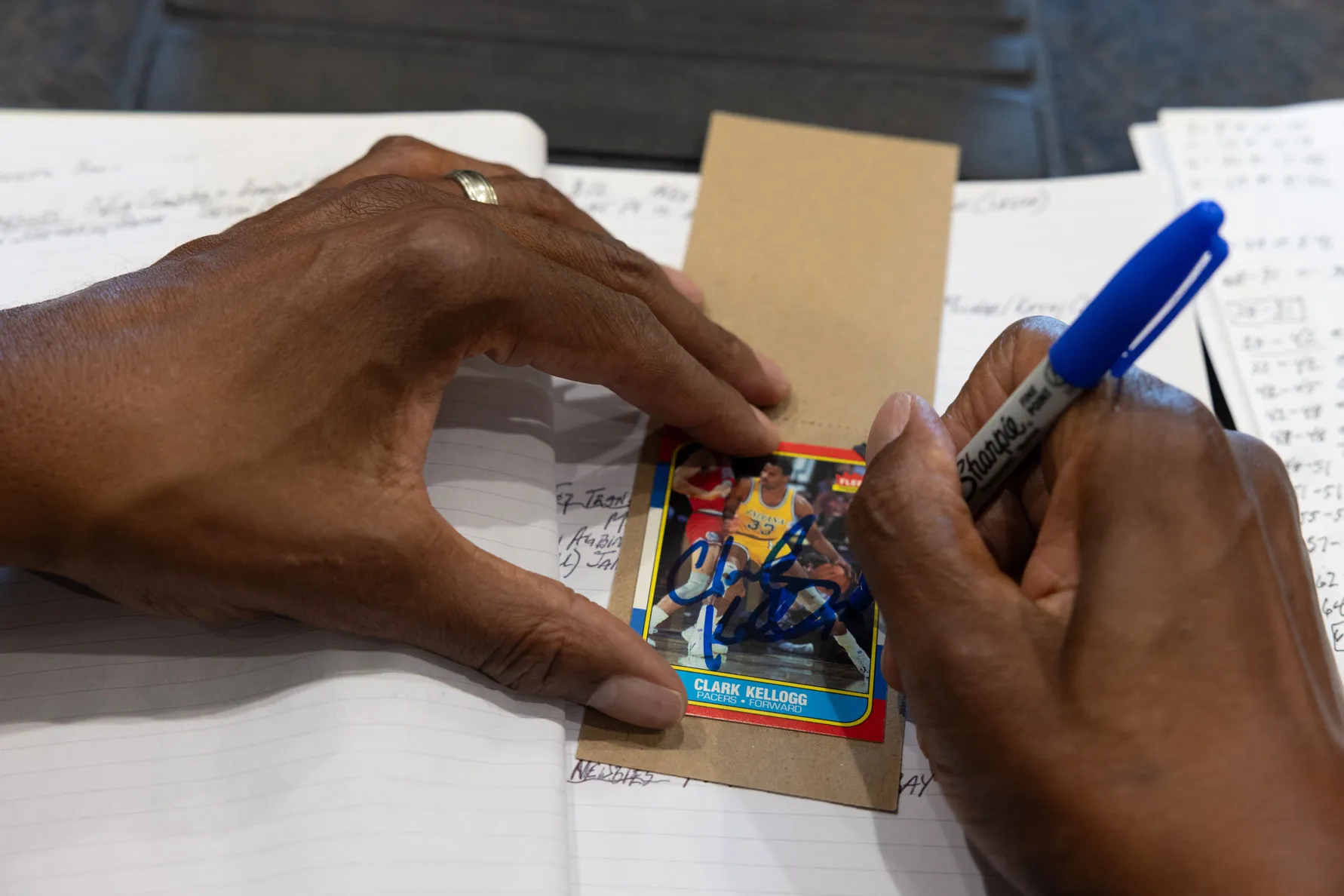
The notebook looks like an archaeological find. Added glue holds its binding together, and the lined pages are filled with scribbled notes from days of yore. “This is my basketball Bible,” Kellogg says. “It’s always with me, like my passport when I travel.”
It’s October, a few weeks before the start of the basketball season. Kellogg is in his home office, where he often prepares for games, filling the beloved book with facts and observations. “Research indicates that you retain stuff better if you write it down,” he says. “Then you read it and regurgitate it better. I’m old-school in that regard.”
Kellogg watches on an iPad a year-old college basketball game between Louisiana Tech and Sam Houston State, jotting down notes about the teams and individual players. He’s honed this process over four decades. From now until the conclusion of March Madness, he will break down multiple games a day in this manner.
“This notebook is a yearlong reference manual for me,” Kellogg says. “I’m trying to learn 80 to 100 teams and feel comfortable knowing them. If I do that, then I’m well-prepared to be able to say something meaningful about the 68 teams that will be in the [NCAA tournament] bracket when you see it on Selection Sunday.”
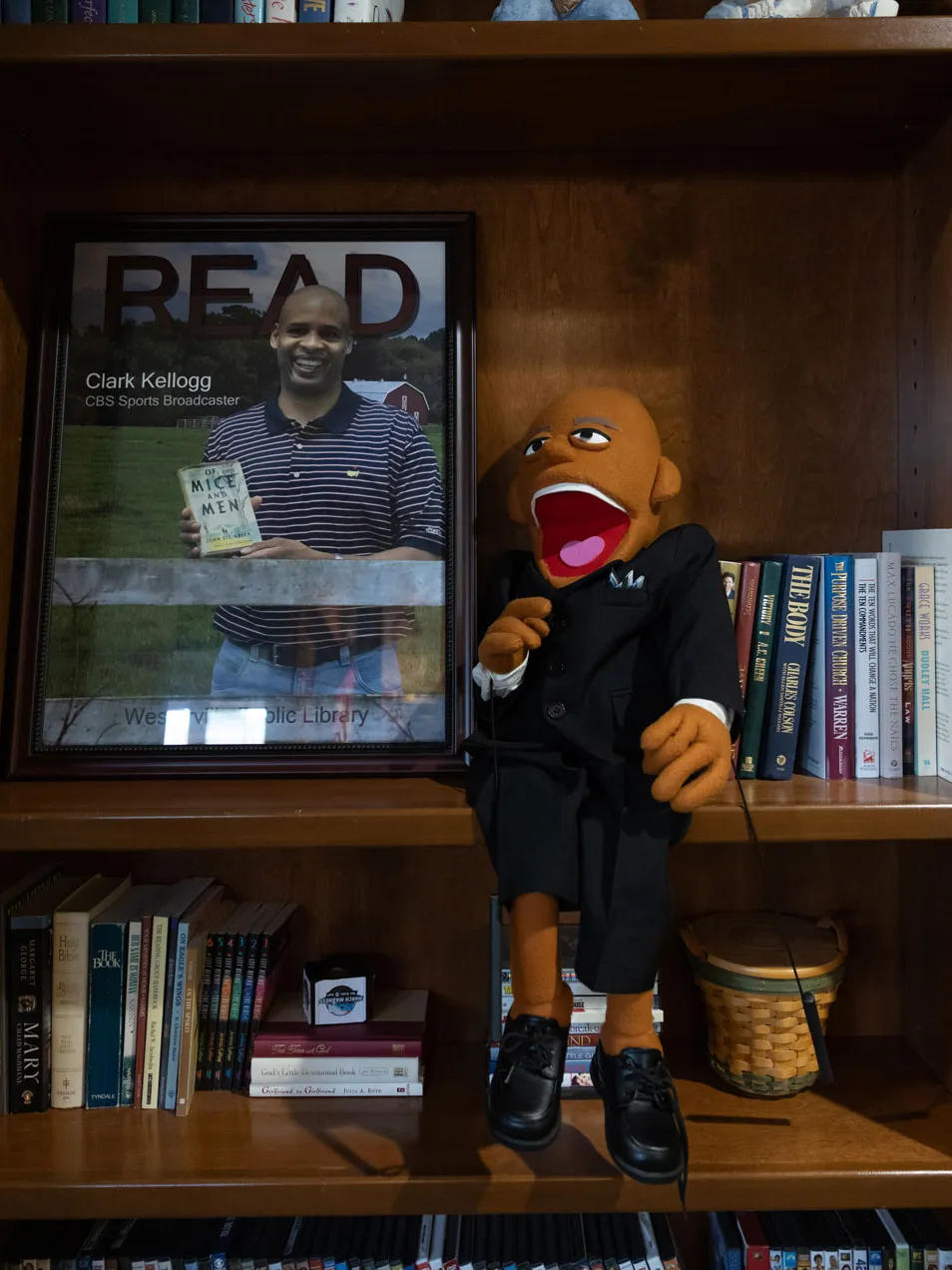
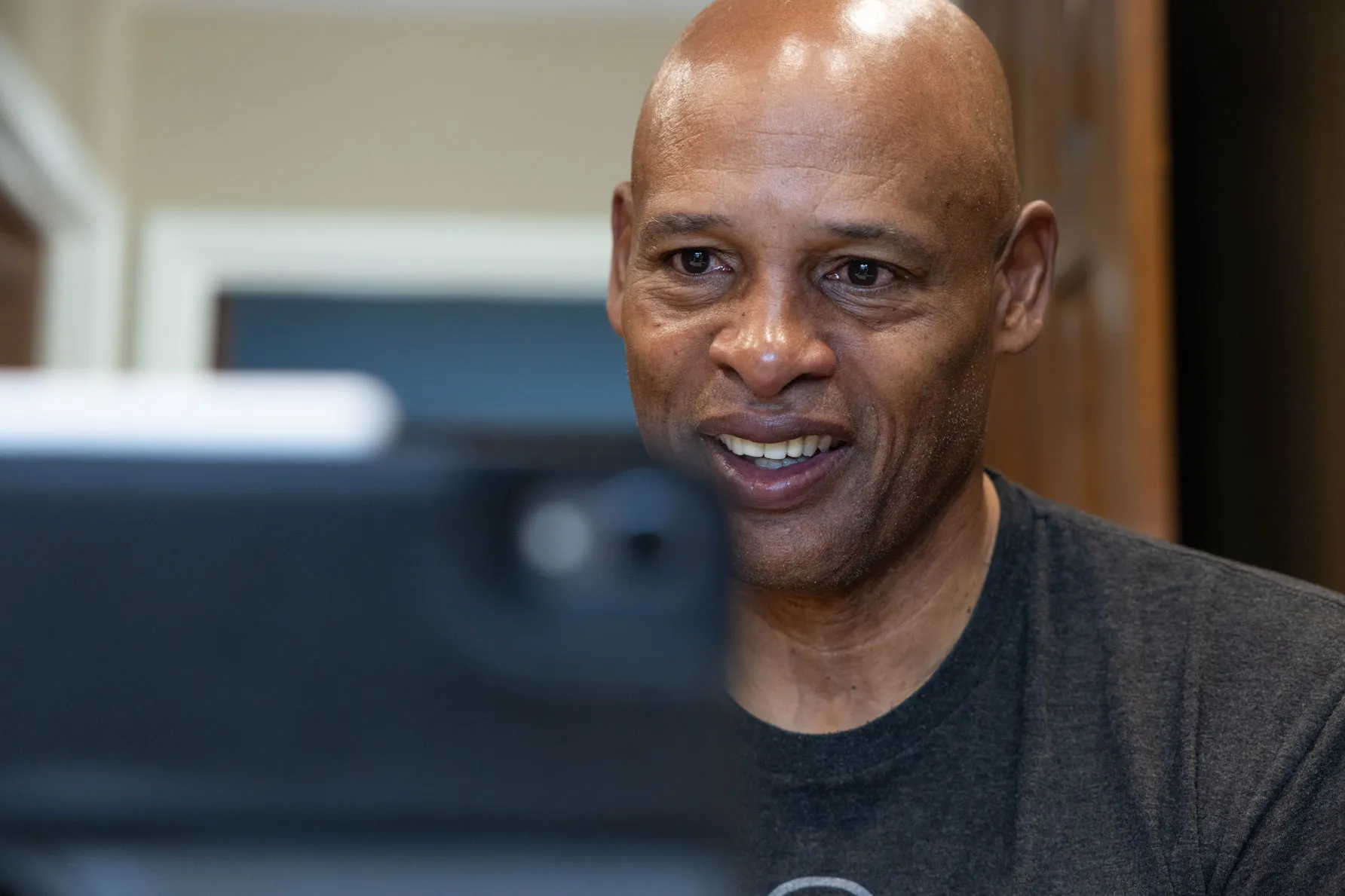
Kellogg likes to study midmajor teams because he thinks knowledge about them differentiates him from other network analysts who concentrate more on the power conferences. Besides, he says putting in the work “is part of my DNA.” His focus in all aspects of life is to control what you can control, especially attitude and effort.
“He just doesn’t take shortcuts,” says his youngest son, Nick Kellogg, NIL/community relations coordinator for the Ohio State men’s basketball team. “He’s very, very driven, very prepared, very sharp. One of my favorite quotes is, ‘How you do anything is how you do everything.’ That sums up my dad.”
Kellogg’s own father was a Cleveland police officer for more than 40 years, known for his humor, warm personality and gift of gab, often used to defuse tense situations at work. Kellogg’s mother, a homemaker, likewise prized the power of communication. She emphasized that to the oldest child when the teenager’s precocious basketball skills began drawing attention.
“It was important to my mom that I be articulate and be able to answer a question with intent,” Kellogg says. “She drove home the point that she didn’t want me to embarrass her or the family. I took that to heart.”
Kellogg’s work ethic and communication skills have made a lasting impression in the broadcast industry. John Wildhack, who spent 30-plus years in leadership roles at ESPN, noticed that special combination when the novice announcer joined that network in 1989. “I saw somebody who had the natural ability to connect with the camera, and you can’t teach that,” says Wildhack, now Syracuse athletic director. “But the really good analysts want critical feedback. Clark was always very open and receptive to it.”
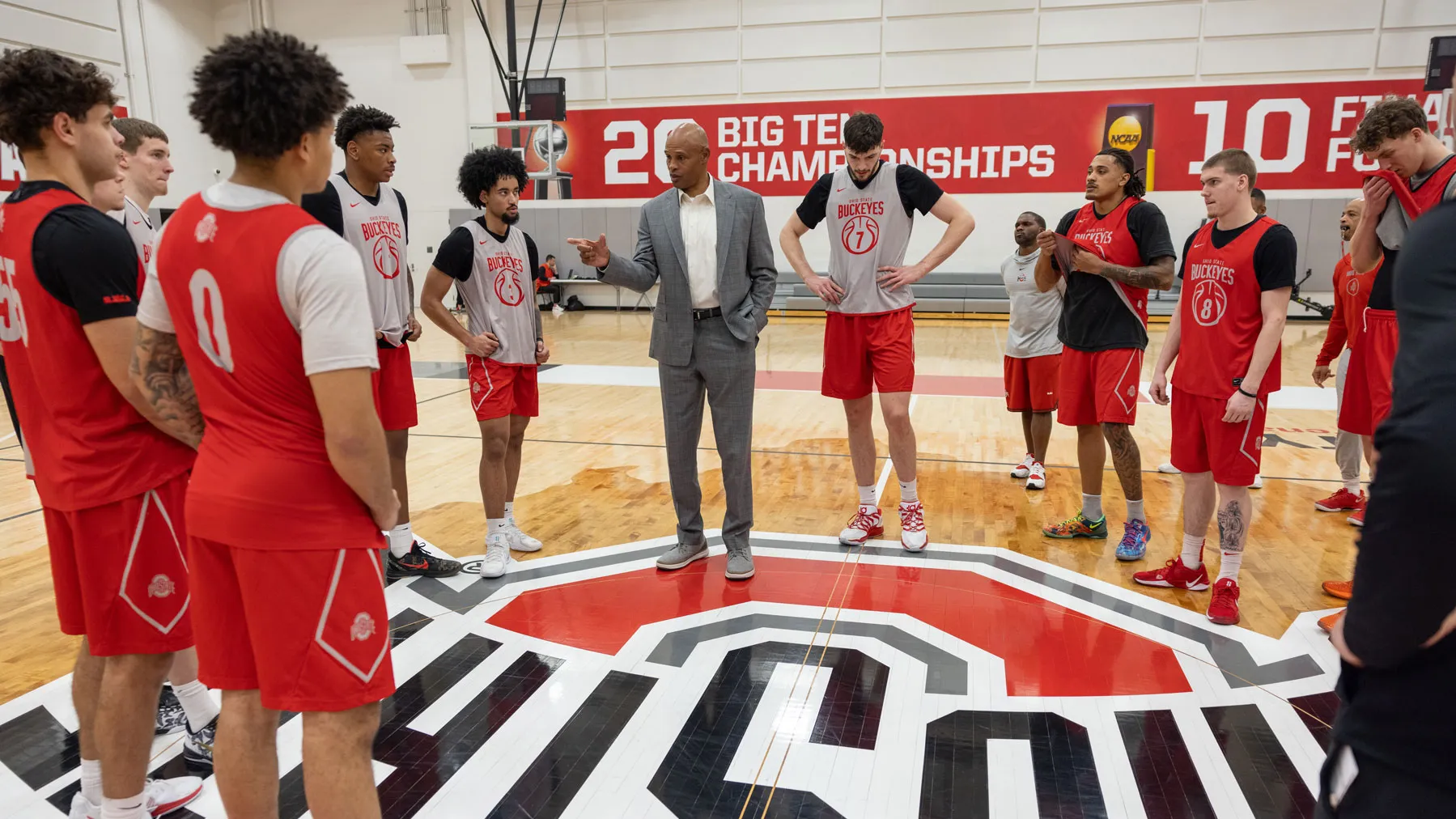

Even now, Kellogg loves talking with analysts, directors and producers about how to improve. He keeps files of words that he hears or comes across as a voracious reader. That way, they’re easily available when he wants to add new analogies, compound words or descriptive phrases to his distinctive on-air lexicon.
Kellogg is also just as interested in learning more about life. He maintains lists of books, documentaries and places to visit. He’s not afraid to admit a lack of knowledge and fills that void by asking questions.
“Clark is genuinely curious,” Barrett says. “He will ask my opinion on something that we’re dealing with at The [Columbus] Foundation if the topic is more in my wheelhouse or something I’ve had familiarity with from my life’s experience. And when he’s listening to you, he’s not just listening to you; he’s absorbing and learning.”
Kellogg says he was more self-focused during his basketball career. He recalls doing everything necessary to get himself ready to play but not understanding how best to elevate his team. He credits 30 years of serving on corporate and nonprofit boards with teaching him how to better contribute to groups.
“I’ve learned that, yes, you got to bring your best self, do the work and be accountable,” Kellogg says. “But you also have a responsibility to try to help others move forward. I’m better at that now later in life, but I still have to work at it.”

Back at the CBS Broadcast Center, Kellogg’s tattered research notebook sits in front him. He combs through its pages, searching for nuggets that might enhance the panel’s planned discussion in the upcoming halftime show about top freshmen—“neon newbies” he called them on air earlier.
Kellogg tosses out a few names to Szczerbiak. “Have you seen the big kid from Washington?” he says. “He’s not bad. Decent hands. Rugged.”
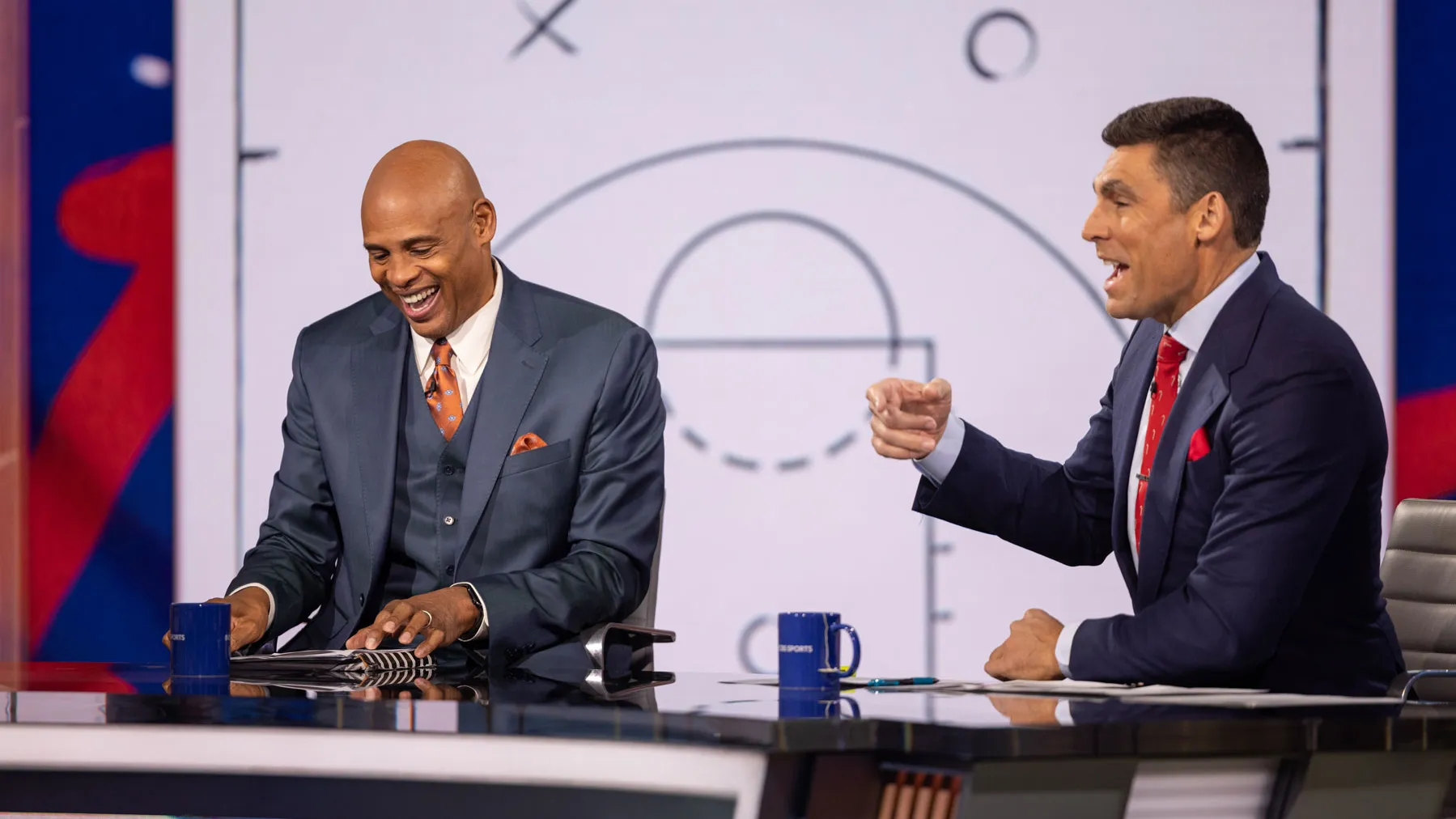
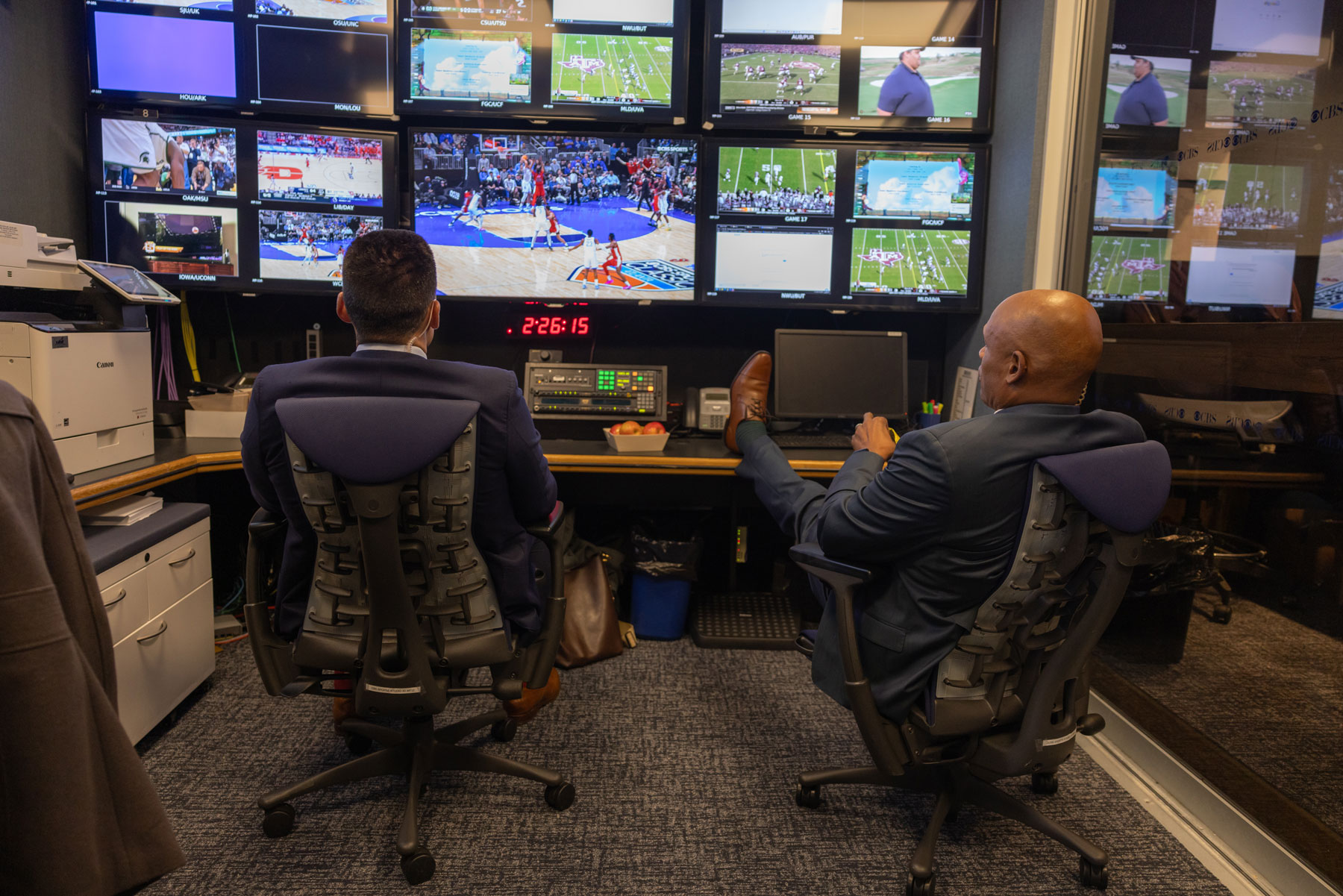
Kellogg and analyst Wally Szczerbiak work at the CBS Broadcast Center in the production room, below, and on set. “When he smiles, he just lights up the room,” says Dennis Thatcher, who gave Kellogg his first TV job.
Kellogg’s adaptability has kept him atop a cut-throat business and earned him the Basketball Hall of Fame’s Curt Gowdy Award. “It was a very, very well-deserved honor,” Wildhack says. “To me, it was a statement by the industry that recognized Clark’s talent and who he is as a person.
“Clark’s the type of person who would have excelled at anything. If he had gone to the business world, he would have been a C-suite executive. No question in my mind. He just has the talent, the intellect and the ability to deal with people and to build relationships.”
Kellogg often expresses his gratitude for basketball and how he can never repay all that the game has given him. But he’s not yet ready to retire. “I still enjoy everything about this,” he says as the studio crew readies to begin the live halftime show.
“OK, guys, it’ll be a direct throw when it’s time,” announces Carey, the stage manager.
Seconds before airtime, a young staffer walks briskly past her toward the desk with sheets of paper for Kellogg and his broadcast partners.
“Run, Forrest, run,” Carey good-naturedly jokes.
Kellogg laughs along with others, stops to thank the staffer by name for his delivery, then bellows a statement for all to hear as the young man scurries out of camera view seconds before the red light goes on:
“Way to go, Ricky!”