A 16th-century book still sparks wonder and learning
Vesalius’ groundbreaking work, gifted in 1959, is the crown jewel of Ohio State’s Medical Heritage Center collection.


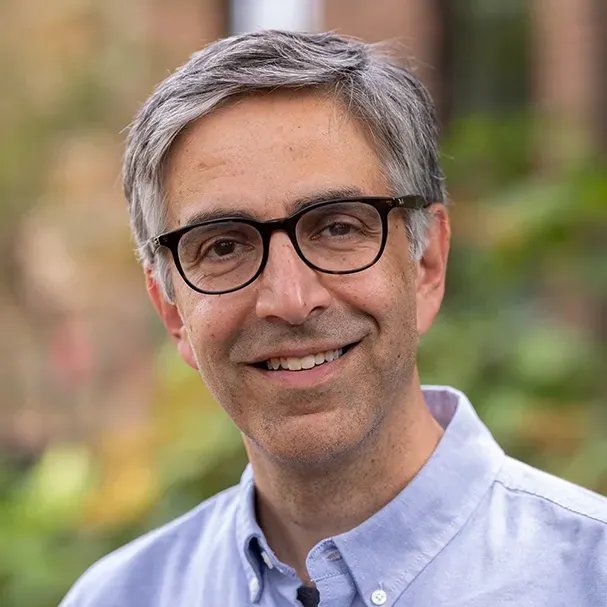
Since 2007, I’ve been the collections curator of the Medical Heritage Center at the Ohio State Health Sciences Library. It’s rewarding work. I manage the rare books, archives and medical artifacts. On any given day, I might process a donation, work with a researcher, give a tour or collaborate with volunteers, student employees and our term archivist. I’m always learning something new and sharing new information with others.
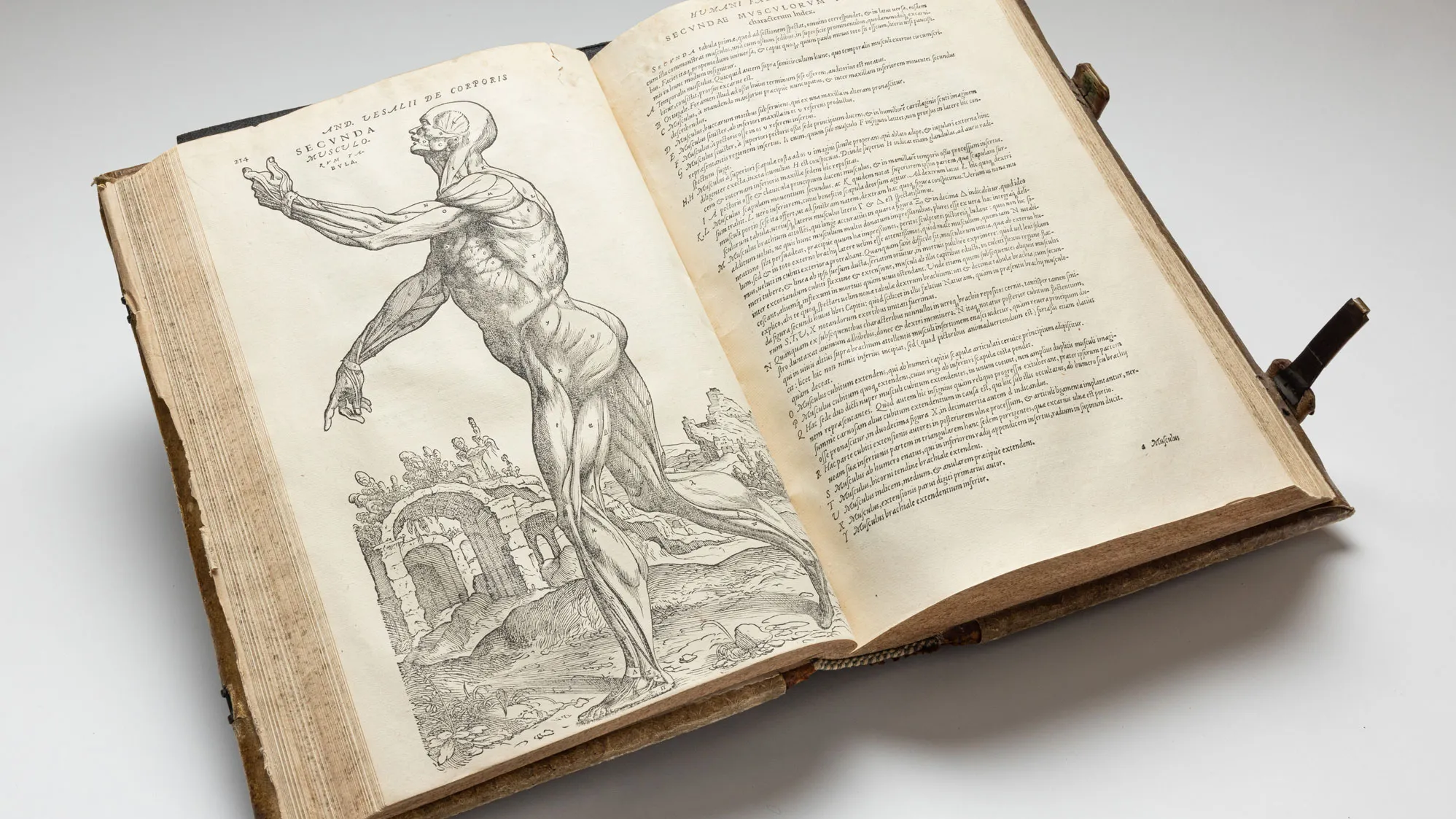
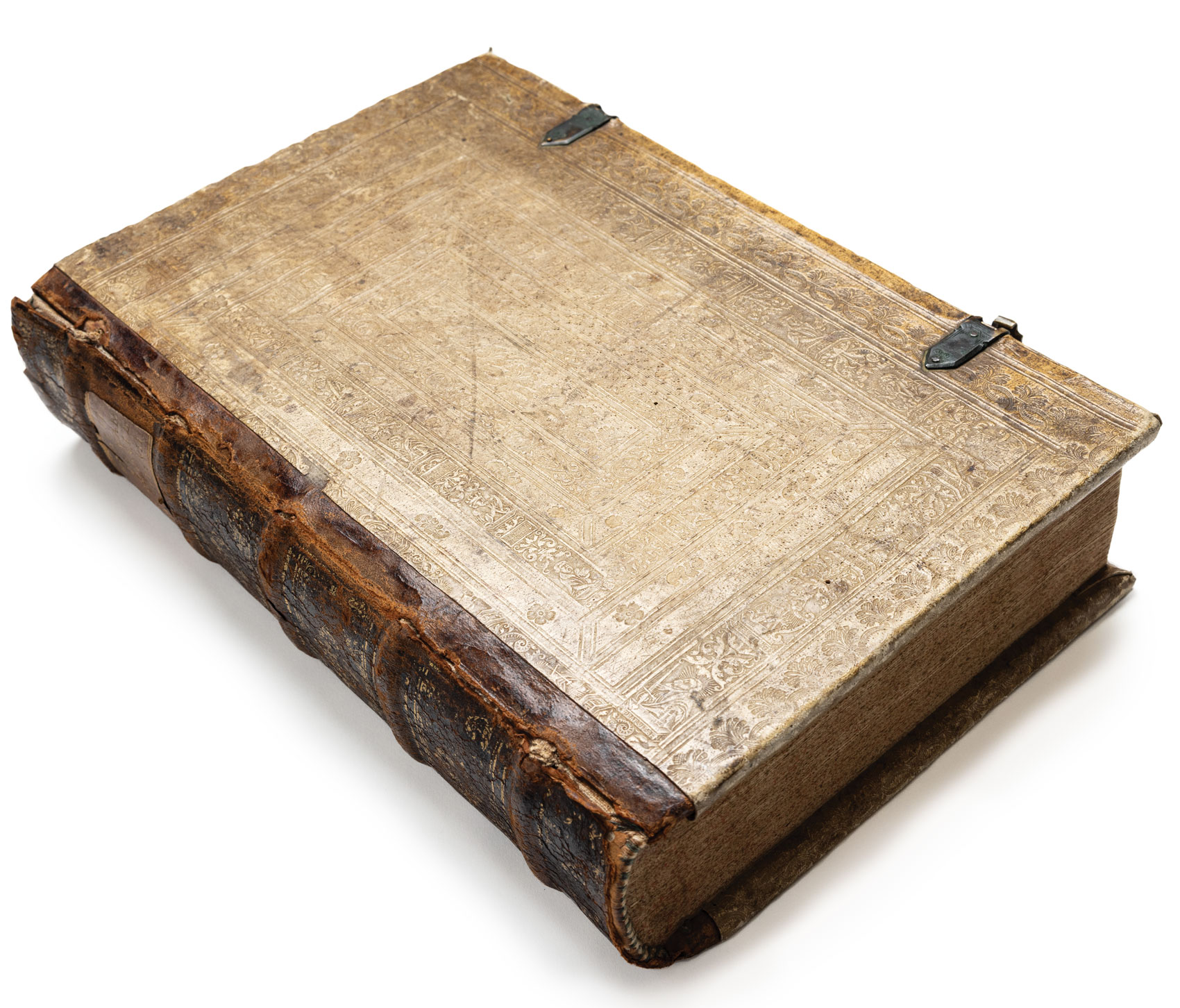
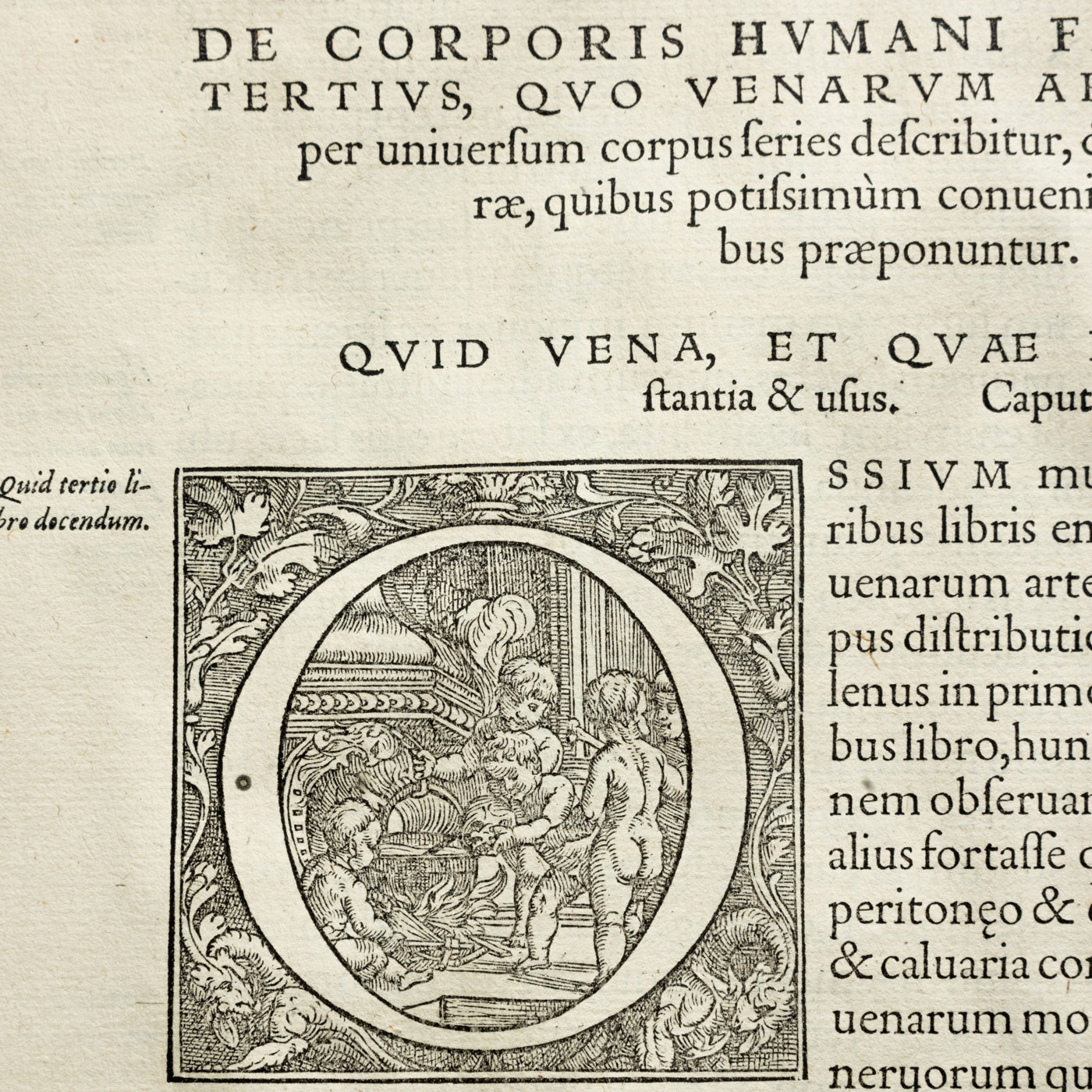
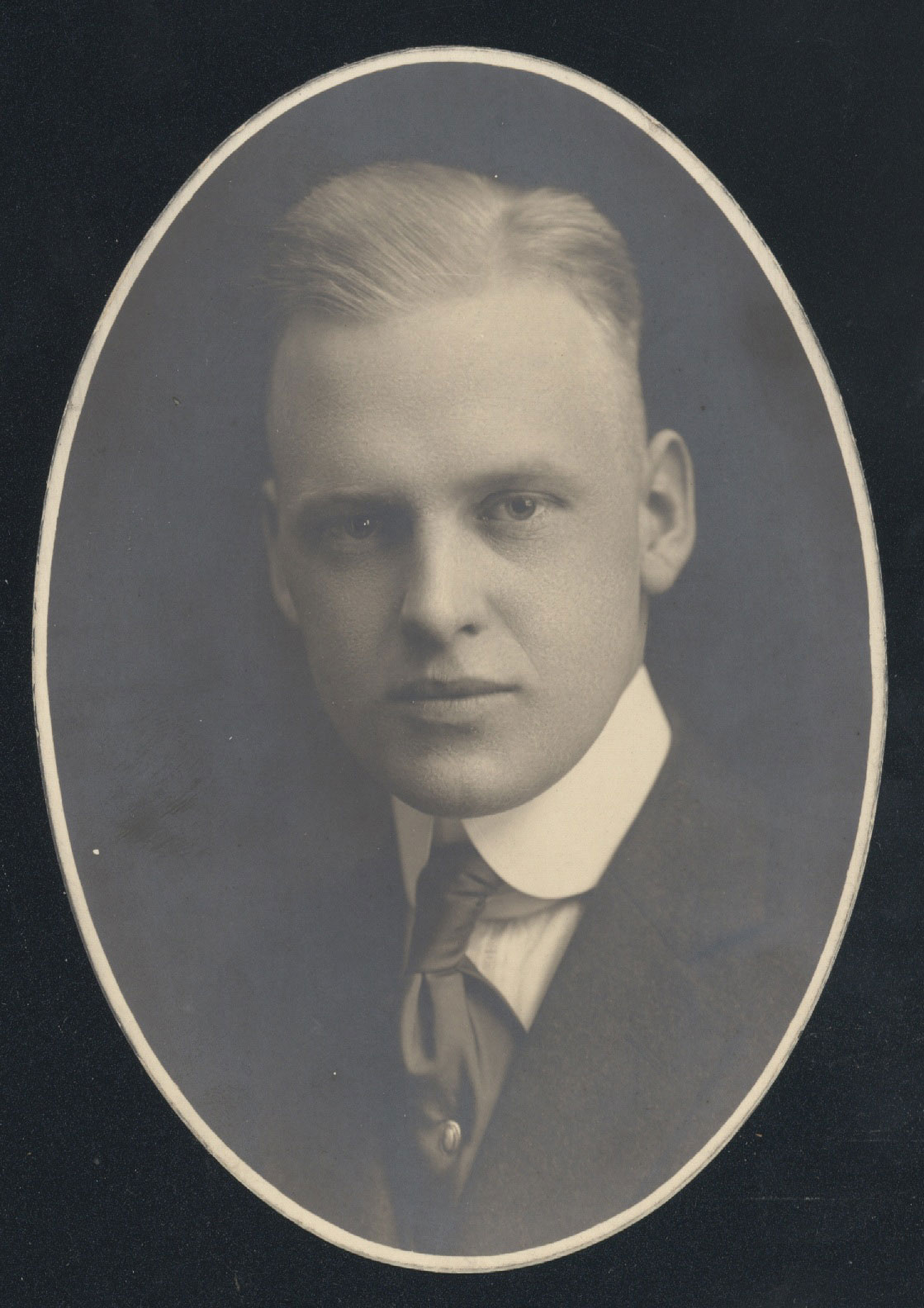
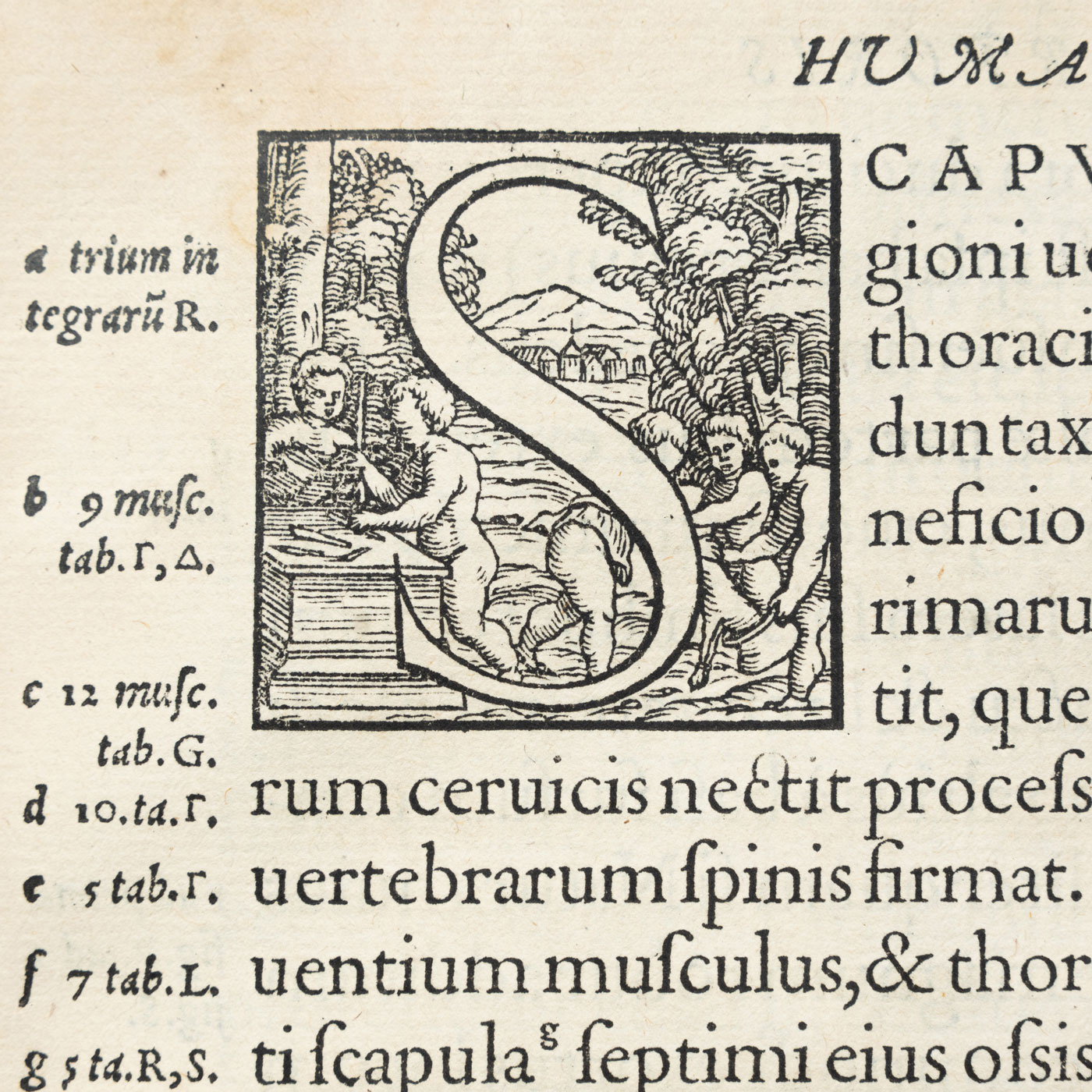
If I want to wow a visitor, a surefire bet is Andreas Vesalius’ De Humani Corporis Fabrica Libri Septem. This 900-page book, written in Latin, is the oldest item we have. Vesalius, a 16th-century physician, was one of the first practitioners to dissect human corpses. His volume corrected errors in our understanding of the human body, revolutionizing the science of anatomy and how it’s taught. Ohio State’s copy—a 1959 gift from Detroit physician Alfred Whittaker 1917 MD—is from the book’s second printing in 1555.
The book’s more than 200 woodcuts are the most famous series of anatomical illustrations ever created. My favorite is of a skeleton—legs crossed, a hand on a skull, chin resting on the other hand. The fascinating pose speaks to my scientific and artistic sides. As a teen, I considered becoming a physician. Then I studied art history at Ohio State. As a health sciences curator, I get to combine my love of art, medicine and history. It’s the perfect job for me.
See the book in person
The Medical Heritage Center, on the fifth floor of the Health Sciences Library in Prior Hall, offers tours of its holdings, including the Vesalius volume. To arrange a visit, send a request to mhcmail@osumc.edu.