Alumni tell us: 10 weird facts learned at Ohio State
From tear gas to toast rituals, Buckeyes recall the strange, surprising truths they absorbed in college—and still cite today.
Bizarre scientific truths. Surprise historical tidbits. Facts so strange you can drop them in conversations for years and continually impress people. College is a prime time for learning all of that. After all, the world can be weird, and Ohio State brings together every kind of expert.
More than four dozen alumni wrote to Ohio State Alumni Magazine to share weird facts they still recall. Here are a selection of those answers:
 “Lemons float in water, but limes sink.”
— Joshua Przybyla ’09
“Tear gas is heavier than air. In the 1960s riots on campus, my boss (a retired Army major) made us evacuate our basement office in old University Hall as soon as possible because a cloud of it was coming right at us.”
— Gary Edgell ’71
“Astronomy—there are bodies in the universe so dense that one spoonful of them weighs more than Earth.”
— Patrick Berry Jr. ’81
“The British bribed the Spanish to stay out of World War II. [I learned this when] Professor Richard Gunther left a printout on my desk. It was a memo for William ‘Wild Bill’ Donovan to President Roosevelt outlining that the British were bribing key members of the Spanish supporters of Franco to stay out of WWII. I still have the memo on the desk today— I tell people the cost of college was worth it just for that.”
— Thomas Lillis ’16
“My weird item: In a botany class in 1958, I learned that research had been done that showed plants have feelings.”
— Mary Jane Heimlich Bradley ’61, ’63
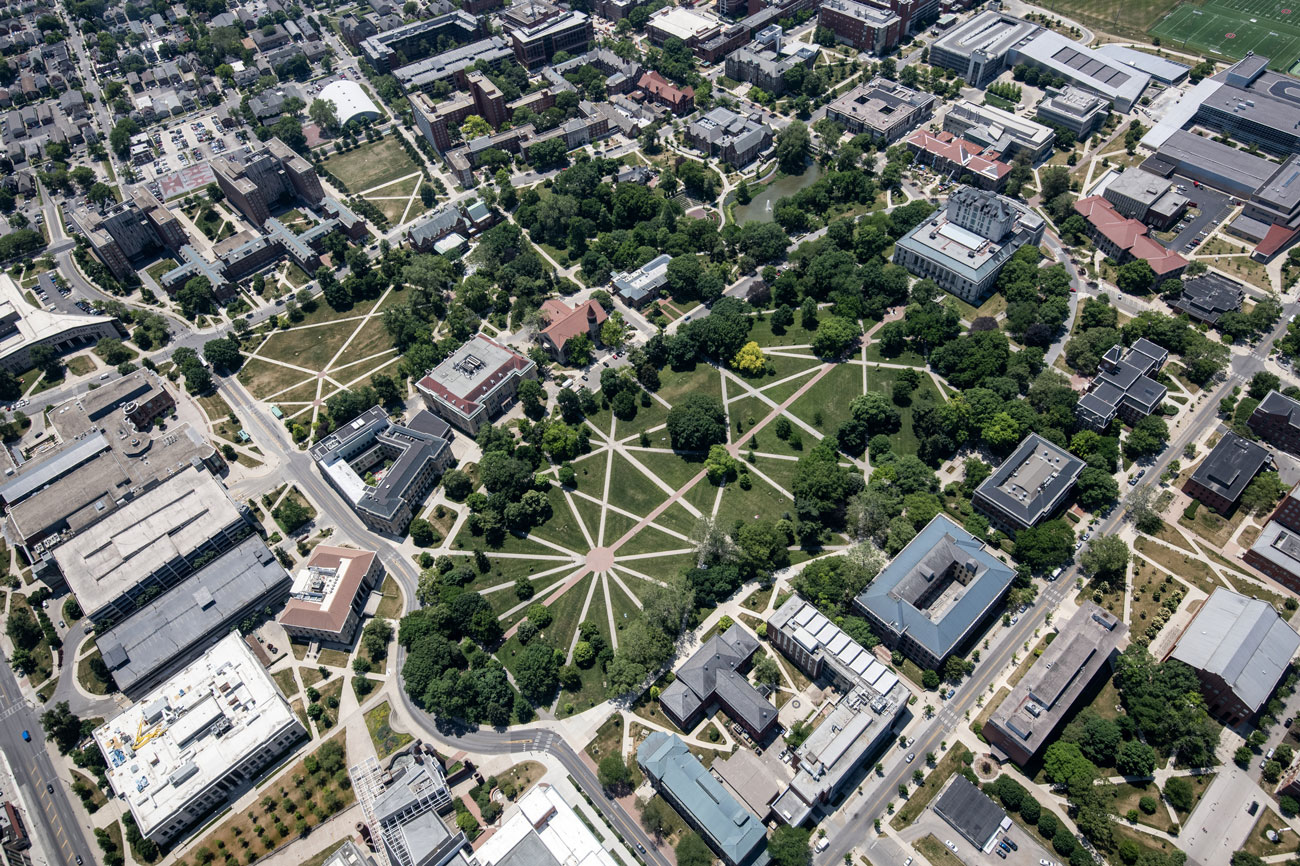
“In undergrad, I majored in parks, recreation and tourism in the School of Environment and Natural Resources. One of my professors said that students continually cutting across the Oval wore down the grass so much that the university eventually paved the paths, creating the crisscross sidewalk design we see today.
“Even funnier—he told us walking across the grass like that was vandalism and to stay on the sidewalks.”
— Trish Raridan Preston ’94, ’23 MENR
Trish added about that professor, Bob Douglass, chairman of the Parks and Recreation Department in the School of Natural Resources for decades before he retired:
“Dr. Bob Douglass was also the advisor for our Parks and Rec Society and used to have us over to his house for an end-of-year celebration. His wife would make dinner for us. He was a good teacher, hard on us, but also very caring and pushed us to succeed. “I went on to the Ranger Academy after Ohio State and worked as a park ranger for over a decade. He truly helped me make good connections. He passed away a few years ago, but he was most certainly a memorable professor.” |
“My American history professor asked the question, ‘What was the number one event that changed the American West?’ Answer: The invention and introduction of barbwire. Changed the whole completion of the Western movement. I always remember that fact.”
— David Ward ’75
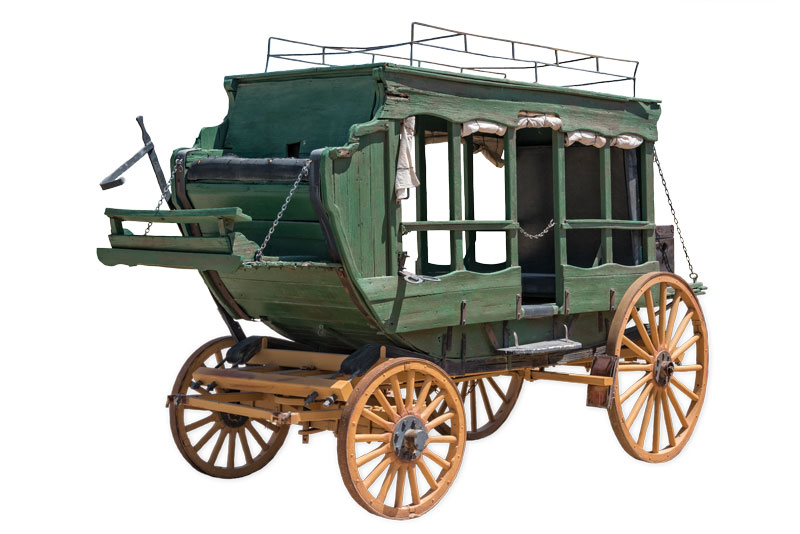
“Many small towns in Ohio are located the distance that a stagecoach could travel in one day. Economic geography class.”
— Cynthia White ’75, ’84 MD
“It was in the early 1970s in one of Dr. Ray Muessig’s education classes, and someone said they wanted to raise a well-deserved toast to him. He said, ‘The ancient Romans put a piece of toast in their glass of wine for good luck and good health, thus we raise our glasses to make ‘a toast.’ I’ve never forgotten that and think about it whenever anyone makes a toast.”
— Michael Fitsko ’67, ’73 MA
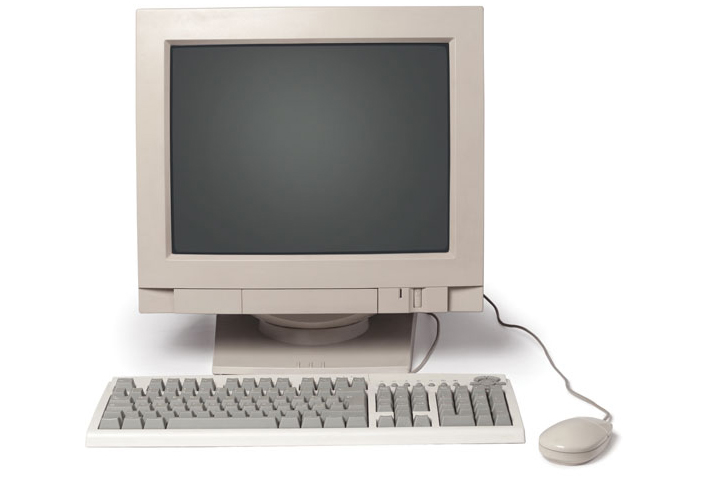
“Most people think of computers as a modern invention, especially back in the 1990s. But Charles Babbage is often recognized as the ‘Father of the computer.’ He lived 1791–1871. George Bool (of Boolean algebra) lived 1815–1864. Ada Lovelace is considered the first computer programmer. She lived from 1815–1852 and has the Ada language named after her.”
— Judd Montgomery ’92